Welcome to the first of my three reports on the red wines of Montalcino (Rosso di Montalcino, Brunello di Montalcino and Brunello di Montalcino Riserva).
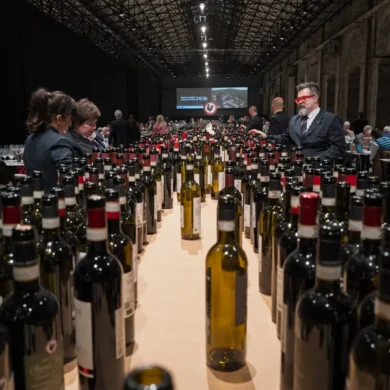
Those of you who’ve read my Tasting Reports know that my approach here is not typical of today’s wine media. Yes, I tasted through nearly 200 wines over four days and took ample notes, but rather than tallying points, I asked a simple question after each sip: did it matter? Was there a kernel of intrigue, a whiff of authenticity, or a deep sense of satisfaction in what passed my lips? Or was it a competent, technically sound Sangiovese — one of many already available at this level? I am more interested in the former, as are you. As fine-wine prices continue to rise, relevance and context matter more than exhaustive prattling and a firehose blast of point scores.
We start with Montalcino’s everyday wine, the Rosso, which still doesn’t get the attention it deserves.
When perfected, Rosso di Montalcino can give you the perfumed complexity of this corner of Tuscany as well as the easy quenchability and versatility that just isn’t Brunello’s modus operandi.
Yet many producers in Montalcino produce fewer bottles of this wine — the so-called “entry level wine” of the region — while a select few skip the category entirely. In other words, while Langhe Nebbiolo has become a clear stepping stone to Barolo, Rosso di Montalcino has not quite played that role for Brunello. It has long sat on the sideline like a midfielder waiting to be subbed in late in the game. I have long wanted to see this positioning change, for I think Rosso di Montalcino is one of Italy’s best “bang-for-the-buck” red wines: typical of place, delicious, versatile, and often even complex. Yet they can be hard to find due to limited quantity.
The Consorzio and its wine-producing members have recognized this, and change is afoot to address market demands. “Rosso is increasingly seen not simply as an entry-level wine,” said Consorzio President Giacomo Bartolommei, who runs the famed estate Caprili. “But as a wine with its own identity and precision, and as a key ambassador for the territory, allowing producers to communicate Montalcino earlier and more accessibly.”
The Consorzio no longer requires specific vineyard plots to be designated exclusively for Brunello or for Rosso. This practice kept the lid on the Rosso category, and it is now estimated that an additional 350 hectares could be at play for Rosso production.
Defining Rosso di Montalcino
Rosso di Montalcino is a DOC wine made from 100% Sangiovese Grosso vines (also known as the Brunello variant) with a minimum alcohol content of 12% and a minimum of 10 months of aging before release. However, there are no oak aging requirements. So given this rather open-ended guideline — plus Montalcino’s remarkable variety in geography, geology and microclimate — we get a lot of interesting styles. What follows below are the eight best examples to buy in 2026.
If you are viewing this on mobile, scroll to the bottom for a photo gallery from Montalcino. If you are on desktop, it is displayed at right as you go.
3 Tips for Opening a Rosso di Montalcino
- Think of This Wine as a Weeknight Elevator – If you routinely open simple red wines after a day at work — e.g. Barbera, Montepulciano, Côtes du Rhône — Rosso di Montalcino feels like a step up without feeling like a splurge.
- Glassware to Avoid – Drink how you like, but your Rosso experience will be diminished a bit if the glass is thick. Thinner glass Bordeaux or even Burgundian glasses will do. And while I never drop a thermometer in my wines, Rosso di Montalcino is happiest just a tinge cooler than room temperature.
- Where to Find Rosso di Montalcino – It is a bit of a specialty, so seek out independent wine shops in your community first. They’ll be a little more curated, and often, they’ll have the Brunello from the same producer if you want a contrast.
Now on to my top picks …
Navigate This Guide
Alphabetical
- 2023 Capanna Rosso di Montalcino
- 2022 Castiglion del Bosco “Gauggiole” Rosso di Montalcino
- 2023 La Gerla Rosso di Montalcino
- 2024 Mastrojanni Rosso di Montalcino
- 2024 Pietroso Rosso di Montalcino
- 2023 Poggio Landi Rosso di Montalcino
- 2023 Ridolfi Rosso di Montalcino
- 2022 Uccelliera Rosso di Montalcino
2023 Capanna Rosso di Montalcino
If we were to imagine a spectrum for these wines with fresh/elegant on one side and structured/powerful on the other, this wine would reside firmly on the former side. It demonstrates a pleasantly fresh aroma that resembled the scent of torn mint leaves, countered by bright cherries that pull you into the glass. It is not a very complex wine, but it is so delightful and easy with those cotton-like tannins that it doesn’t need to be.
2022 Castiglion del Bosco “Gauggiole” Rosso di Montalcino
If there was a Rosso to check the “baby Brunello” box, it was “Gauggiole” from Castiglion del Bosco. Surprisingly perfumed and floral on the nose with hints of church incense, it transitioned nicely on the palate with quenching acidity and serious tannins. I gave it high marks for its hedonistic aromas.
2023 La Gerla Rosso di Montalcino
This is the wild and untamed side of Sangiovese. Every now and then, you come across a wine like this, where the grape’s ferocious sense of character seems to step forward and say “you’re not going to tell me what to be.” Kudos to vineyard manager Alberto Passeri and winemaker Vittorio Fiore for allowing their entry-level wine to make such a statement. In addition to savory aromatics and refined cherry characteristics, it has a sharp, herbal side redolent of dried sage. Silky on the palate, persistent through the finish.
Most Elegant: 2024 Mastrojanni Rosso di Montalcino
By the standards of Montalcino, I found Mastrojanni’s Rosso di Montalcino to be aromatically intense, lifting up its suggestions of cherry, cranberry and violets with explosive energy. However it was the tannins that affirmed this wine’s potential the most: they were perfectly dialed in for a wine that needs to elevate the everyday, as Rosso di Montalcino does. A multi-dimensional wine that you could easily age five years if you wanted to.
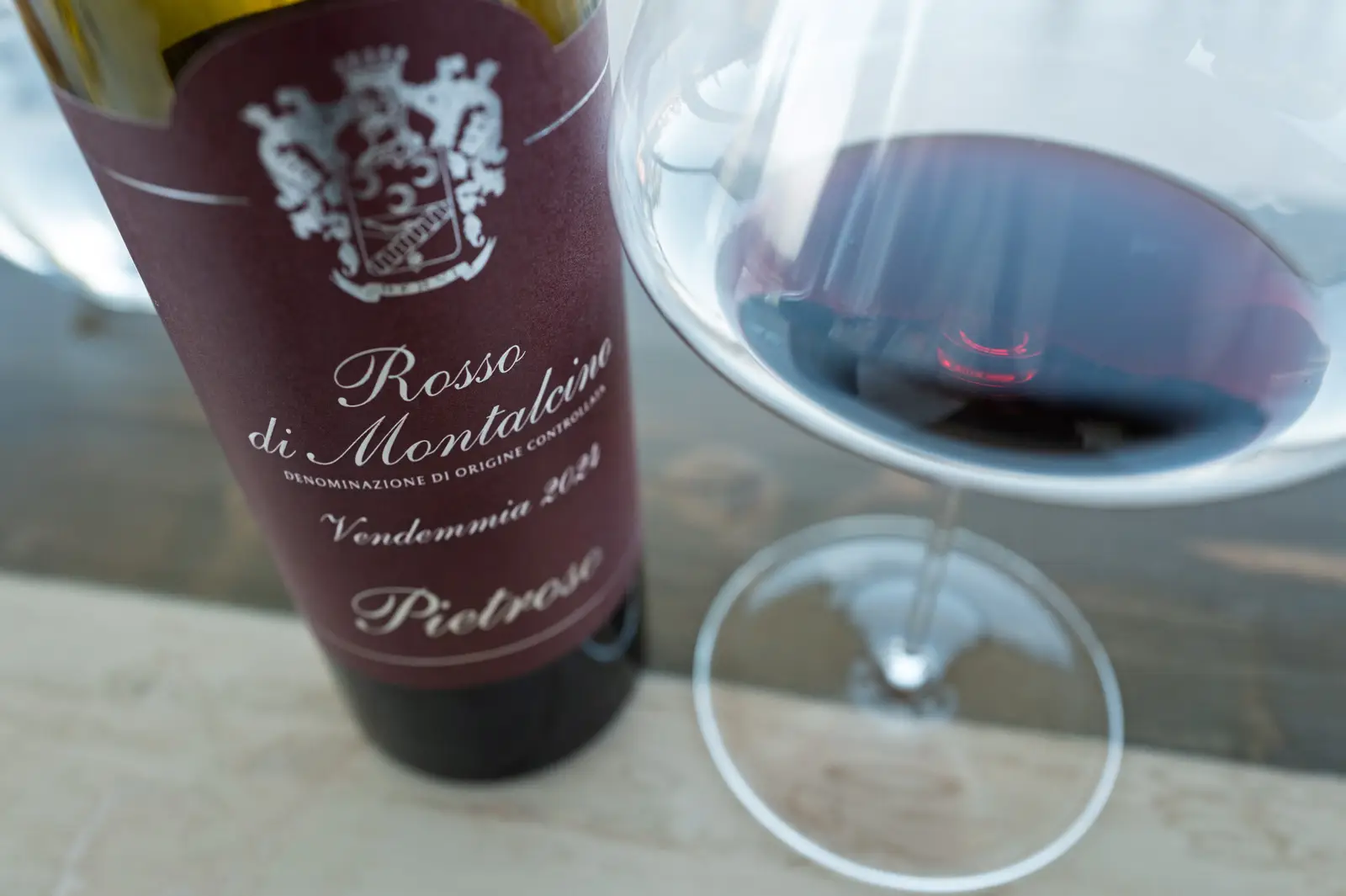
The Benchmark: 2024 Pietroso Rosso di Montalcino
By design, this category of wine ought to serve as a stepping stone into Brunello di Montalcino — a first taste of potential to entice you into splurging on a more structured and complex wine. The Pignattai family of Pietroso exhibit this as well as anyone vintage after vintage. Their 2024 Rosso is immediately compelling with a smoky, meaty aroma to complement the piercing red fruit. It never loses its sense of direction, its profound elegance, or its graceful texture. Each sip is an enticement to some place new.
I selected this wine as the lone Rosso di Montalcino in my book’s 100 Wines to Admire across Italy, and this taste was validation of that decision. Only 17,000 bottles are produced per year.
2023 Poggio Landi Rosso di Montalcino
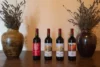
This Rosso felt like a play in two acts. Act 1 was all about lightness and freshness on the nose; a light-hearted rom-com if you will. Then on the palate, Act 2 so to speak, the wine provided richness and plusher tones than first suggested — a plot twist toward something more passionate. As one of the more widely available Rosso di Montalcino wines, it’s a good recommendation to those seeking a first taste of this category.
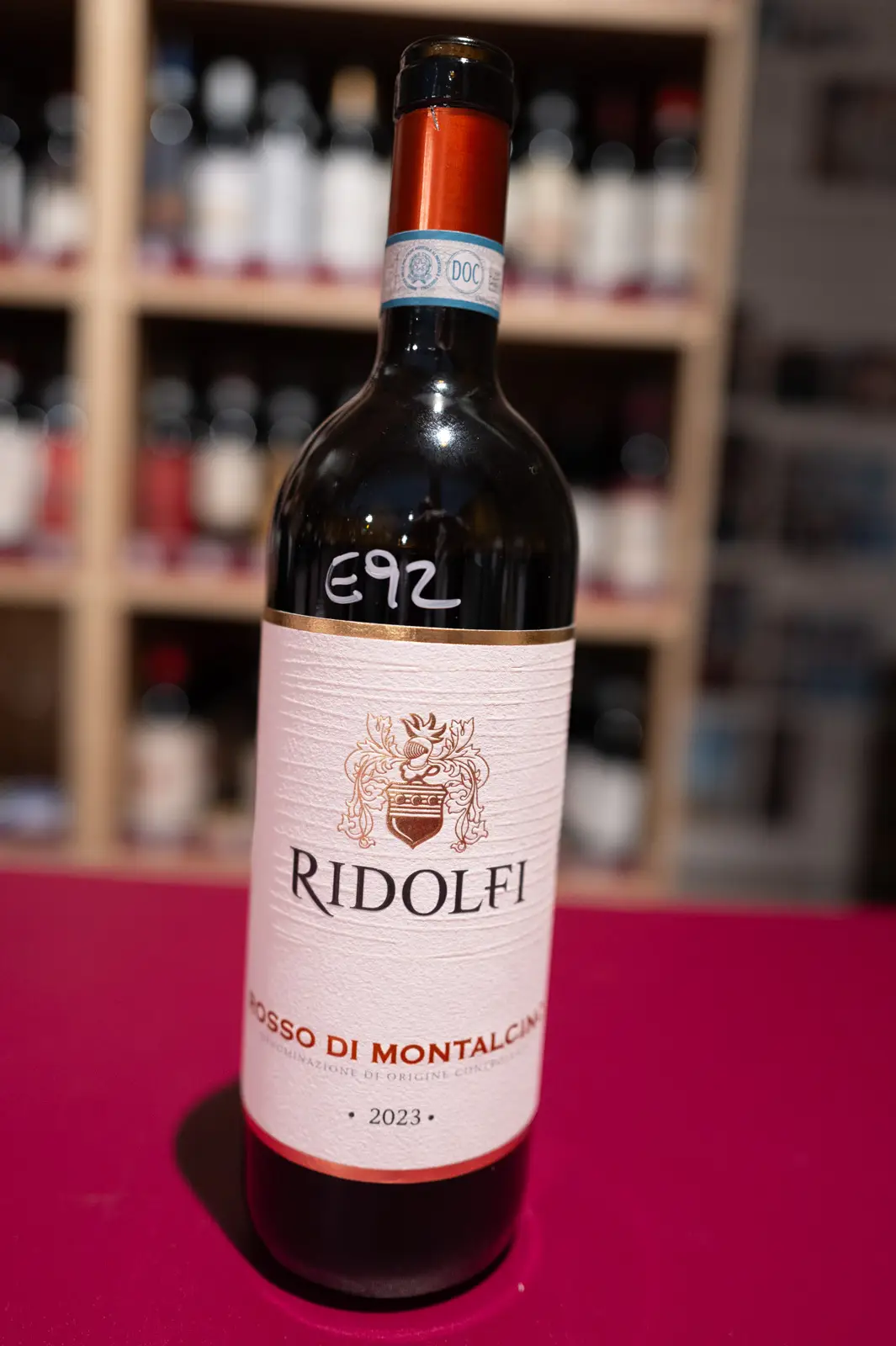
Most Memorable: 2023 Ridolfi Rosso di Montalcino
The most dramatic version of Rosso di Montalcino came from Ridolfi, a winery that impressed me a great deal in the latest release of Brunello di Montalcino as well. My notes for this wine start off with just one word: “whoa.” The spirited aromas rising from the glass reawakened me after a spell of palate fatigue (it happens to the best of us at these tastings). Streaked with a fresh herbal note and red tea aromas, it transitioned deftly to a persistently silky, mineral texture on the palate. “Wholly unique, yet still typical of Montalcino,” I wrote at the end of my notes.
2022 Uccelliera Rosso di Montalcino
Some wines make an impression on you with the specific appetite they trigger. In the case of Uccelliera’s Rosso di Montalcino, it was for BBQ. The nose is decidedly smoky and meaty, which likely accounts for it sending me in such a direction. But the wine is also the type of Sangiovese that a Cabernet lover might enjoy: it has a huge presence of tannins, and a heartiness through the finish that suits the style. A good Rosso di Montalcino for someone wanting something more serious.
Captions
©Kevin Day/Opening a Bottle)
At right for desktop, bottom for mobile:
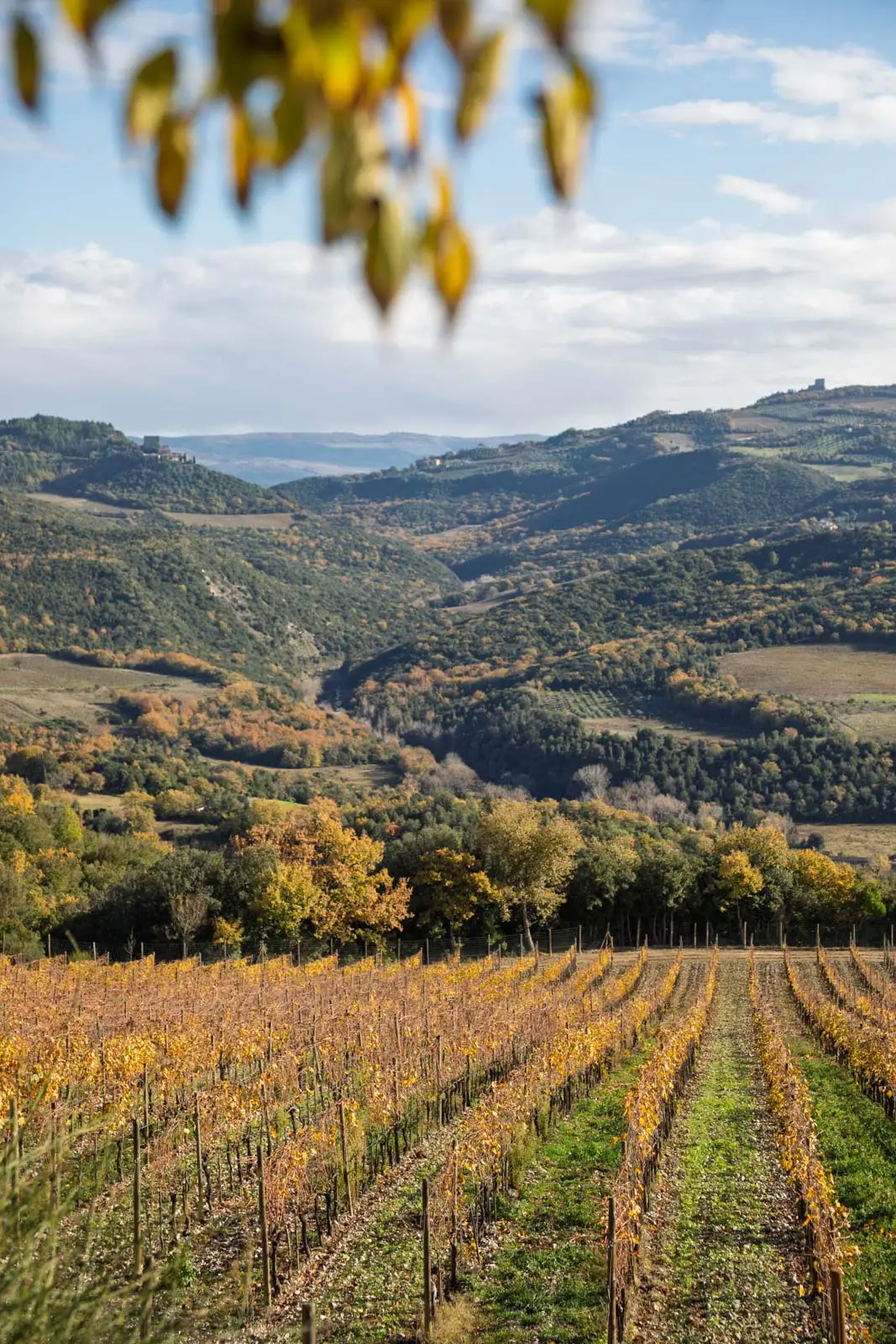
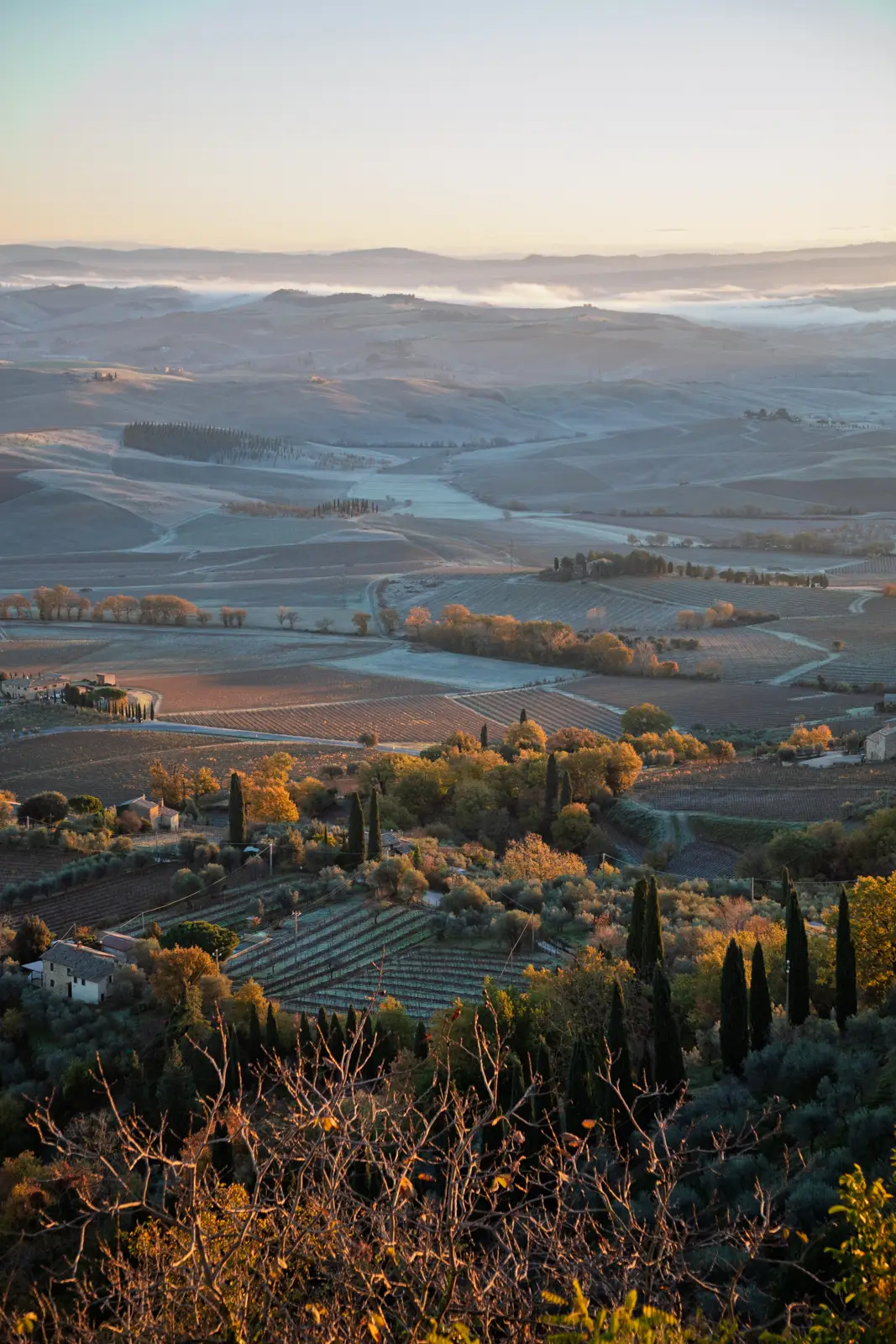
- Vineyards at Mastrojanni looking toward the Orcia River canyon
- 2023 Ridolfi Rosso di Montalcino
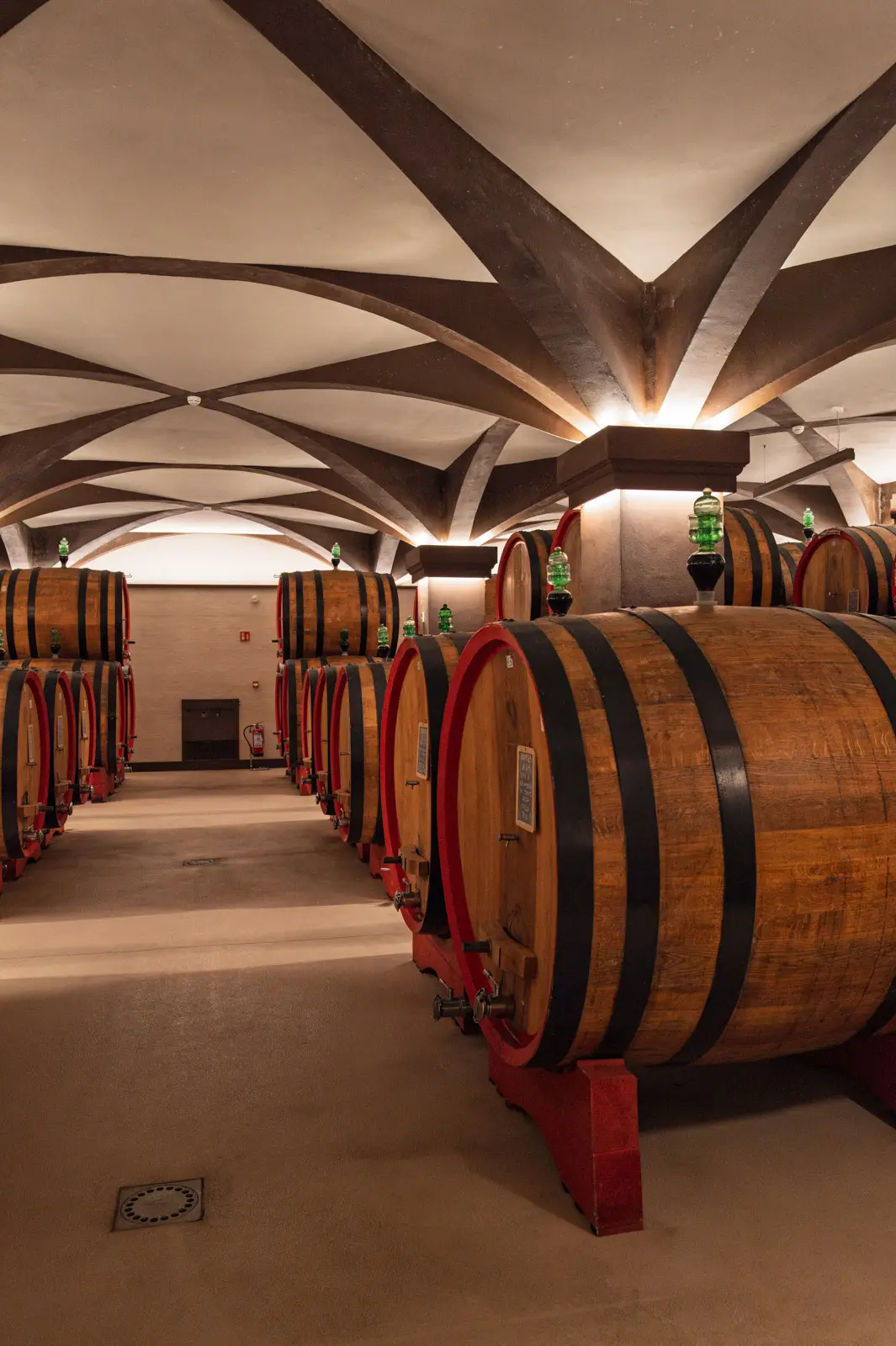
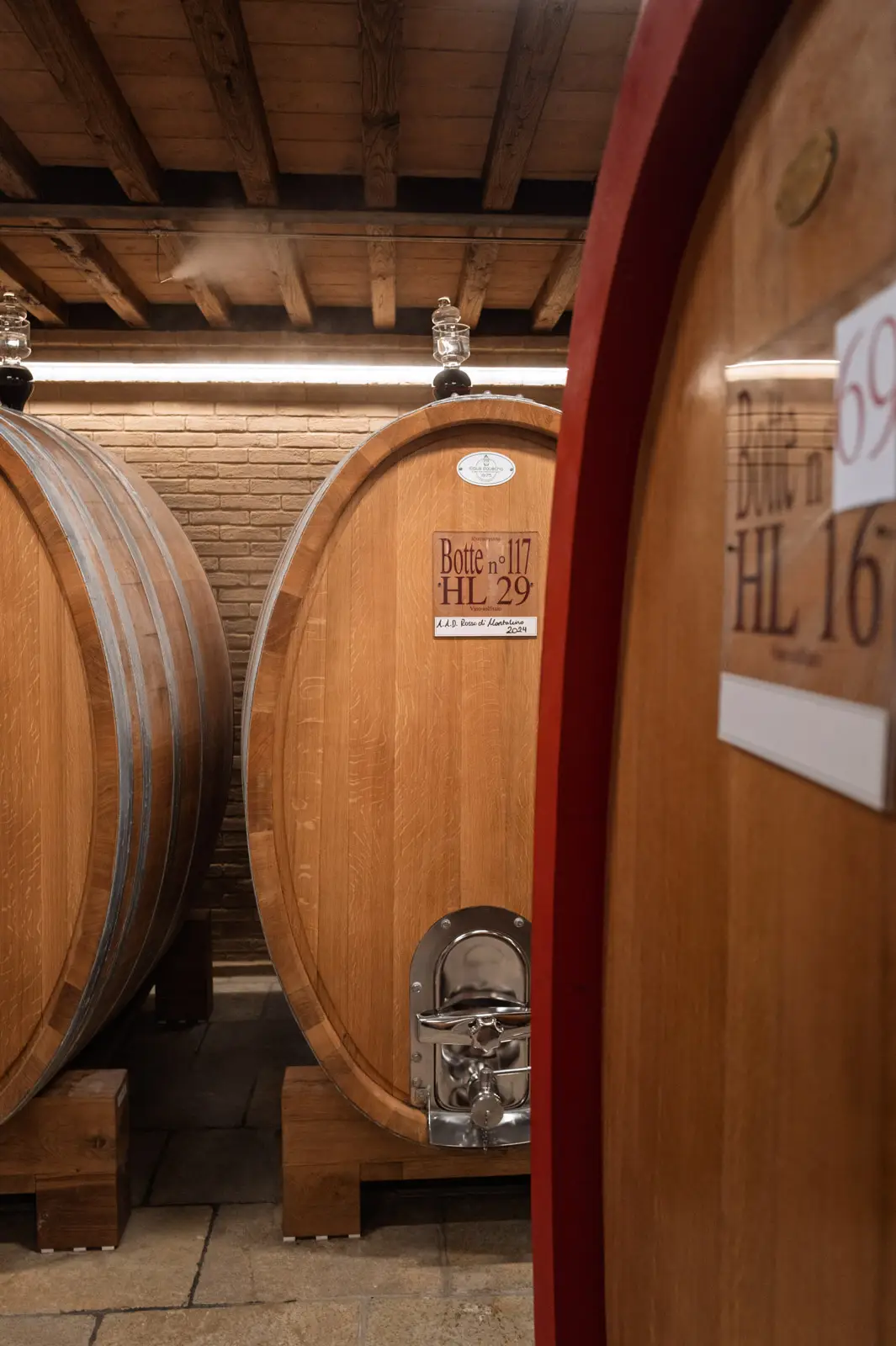
- The beautiful barrel room at Poggio Landi
- Remnants of grace at Mastrojanni’s tasting room
- Sangiovese perfection: 2024 Pietroso Rosso di Montalcino
- Botte barrels at Mastrojanni
- The season’s first snow on the Montalcino landscape
Note: My participation in Benvenuto Brunello was the result of a press trip at the invitation of Consorzio Vino Brunello di Montalcino. Learn more about my editorial and travel policy.