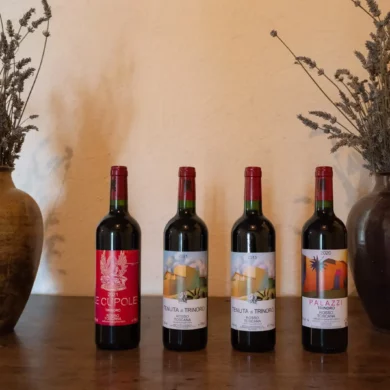
Some of Italy’s best wines cost hundreds of dollars. Others can offer just as much pleasure at a more reasonable price point, though in a wholly different way. Both realities exist, with Brunello di Montalcino Riserva occupying a spot on the priciest end of the spectrum.
When it comes to Riserva wines, we get to be more demanding. At these prices, that expectation is built in.
Now, the job of a wine writer is to live in both realms and decipher which wines matter most. While I don’t frequently drop three figures on a single bottle, I’m keenly aware that some of my readers do, and I also know the thrill of saying “to hell with it” and splurging on something special. There is also value in simply being curious about what lies within, without being ready to make that kind of purchase. These “Brunello curious” people represent a meaningful part of my readership, too.
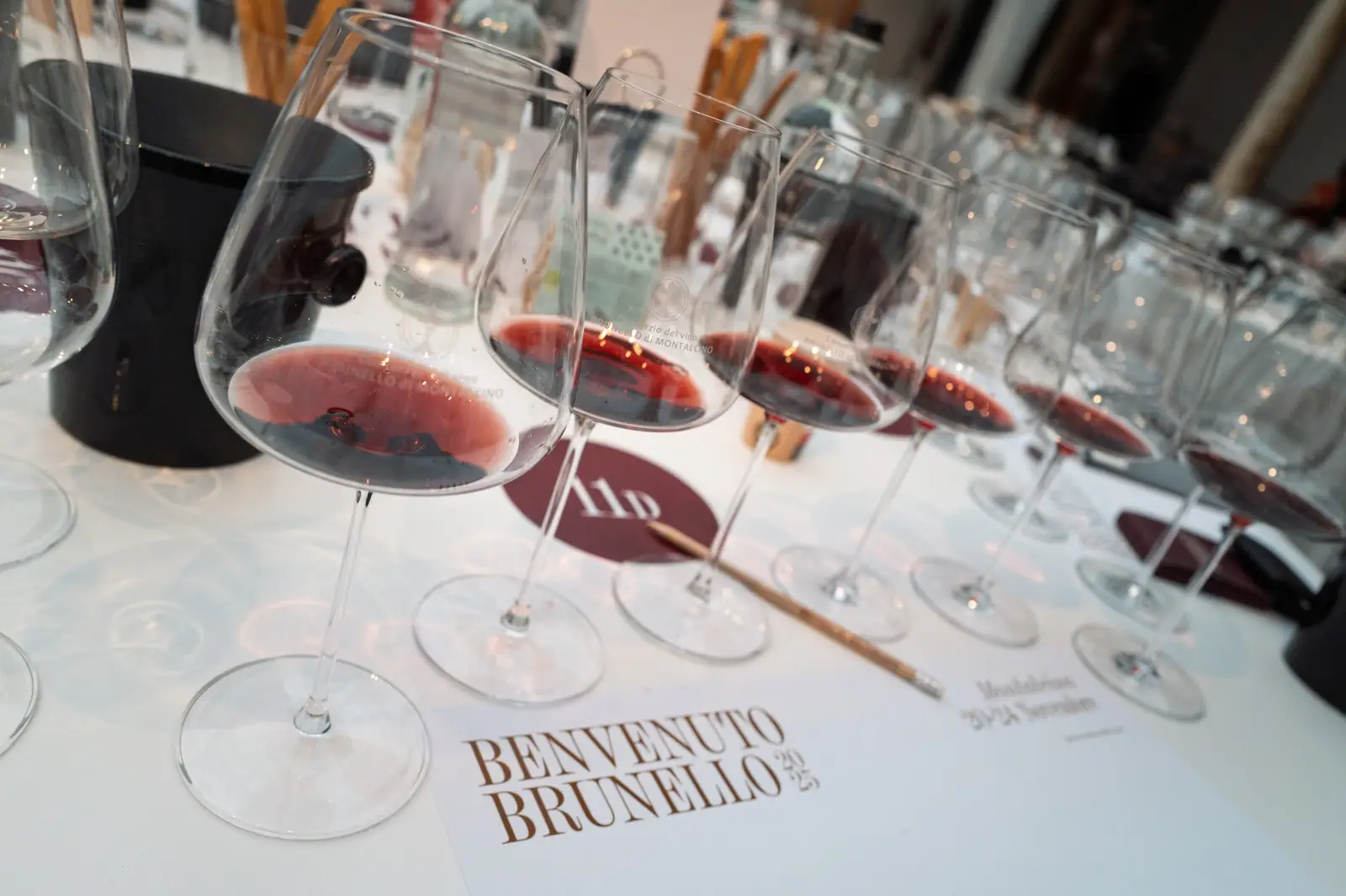
As I tasted through flight after flight of Brunello di Montalcino Riserva — six wines at a time over the course of a cool, wet morning in November — I kept this reality in mind and challenged each wine to prove its worth. If a couple is celebrating 25 years of marriage with this wine, does it rise to the occasion? If a collector has waited 15 years for this wine to come around, will it be offering something rewarding and novel? And if a diner splurges on this young Riserva before me — let’s say to impress a new client — will it speak eloquently of its origins and give them something to remember?
When it comes to Riserva wines, we get to be more demanding. At these prices, that expectation is built in. And so a wine buying guide like this ought to be curated.
What follows are the wines that answered the call best. I am only highlighting those that stood out. Some carry a hefty price tag of around $225/bottle (Salicutti, Le Chiuse), and one routinely clocks in above $600/bottle upon release (Poggio di Sotto). Tariffs and the devalued dollar are only partly to blame. Scarcity and high demand have fueled rising prices for decades. “Worth it” is up to you.
But if you love Brunello, you already know this.
Defining Brunello di Montalcino Riserva
The Riserva category of Brunello di Montalcino DOCG follows the same guidelines as Brunello (100% Sangiovese Grosso wines from the delimited growing area plus a minimum alcohol content of 12.5%) but with longer aging requirements. Whereas Brunello di Montalcino has a minimum of 4 years of aging before release, the Riserva wines must be aged for at least 5 years — the longest mandatory aging requirement of any dry wine in Italy. Of those 5 years, 2 years must be in oak and the wine must spend six months in bottle before release on January 1. All of the Riserva wines I tasted from the newly released 2020 vintage were opened for the media two months before the release date.
4 Tips for Opening a Brunello di Montalcino Riserva
- Where to Find These Wines – Specialty wine merchants are your best bet. If your hometown does not have a great wine shop, you might luck out at a “big box retailer,” but they’re likely going to have some of the larger producers represented. For the smaller, more artisanal producers, look online for better choices and know your state’s liquor laws so you can make sure wine can be shipped to your door. And last of all: avoid having wines shipped to you between May and September (in the northern hemisphere). You are spending too much money to risk heat damage during shipment.
- Why Drink These Wines – These wines are rare, exceptionally crafted, and worthy of a special occasion. And they’ve cost you a lot, so it is worth leaning into the little details when uncorking one, because those little details will bring out the best in the wine. Permission to be fussy.
- OK, How Fussy Do I Have to Be? – Start with storage, unless you are bringing this wine home and opening it right away. Keep it cool (around 55º F/13º C), keep it humid (50%-70%), and keep it in the dark. That said, these wines are durable and don’t need to be babied. But why risk it given what you’ve spent? Age them for however long you can possibly tolerate it. My favorite Brunello experiences (normale or Riserva) have all been around the 15-year mark.
- Serving It – As for serving the wine, I find oxygenation to be a divisive issue. But make no mistake, young Brunello — and especially young Brunello Riserva — benefits from air. You can open the wine an hour before serving it to gradually introduce air, or you can decant it to accelerate things. Some of my closest wine friends find decanting a young wine to be an assault on the wine’s fabric. I am not in this camp. After opening the wine, you have a good four days to enjoy it if you re-insert the cork and chill it. You can always allow the wine to warm a bit before pouring a glass.
Now on to my recommendations.
If you are viewing this on mobile, scroll to the bottom for a photo gallery from Montalcino. If you are on desktop, it is displayed at right as you go.
Navigate This Guide
Alphabetical
- 2020 Donatella Cinelli Colombini Casato Prime Donne Brunello di Montalcino Riserva
- 2019 La Casaccia di Franchesi Brunello di Montalcino Riserva
- 2016 Le Chiuse “Diecianni” Brunello di Montalcino Riserva
- 2020 Pietroso Brunello di Montalcino Riserva
- 2020 Poggio di Sotto Brunello di Montalcino Riserva
- 2020 Salicutti “Teatro” Brunello di Montalcino Riserva
- 2019 San Polino Brunello di Montalcino Riserva
- 2020 Sesti “Phenomena” Brunello di Montalcino Riserva
- 2020 Talenti “Pian di Conte” Brunello di Montalcino Riserva
Most Generous: 2020 Donatella Cinelli Colombini Casato Prime Donne Brunello di Montalcino Riserva
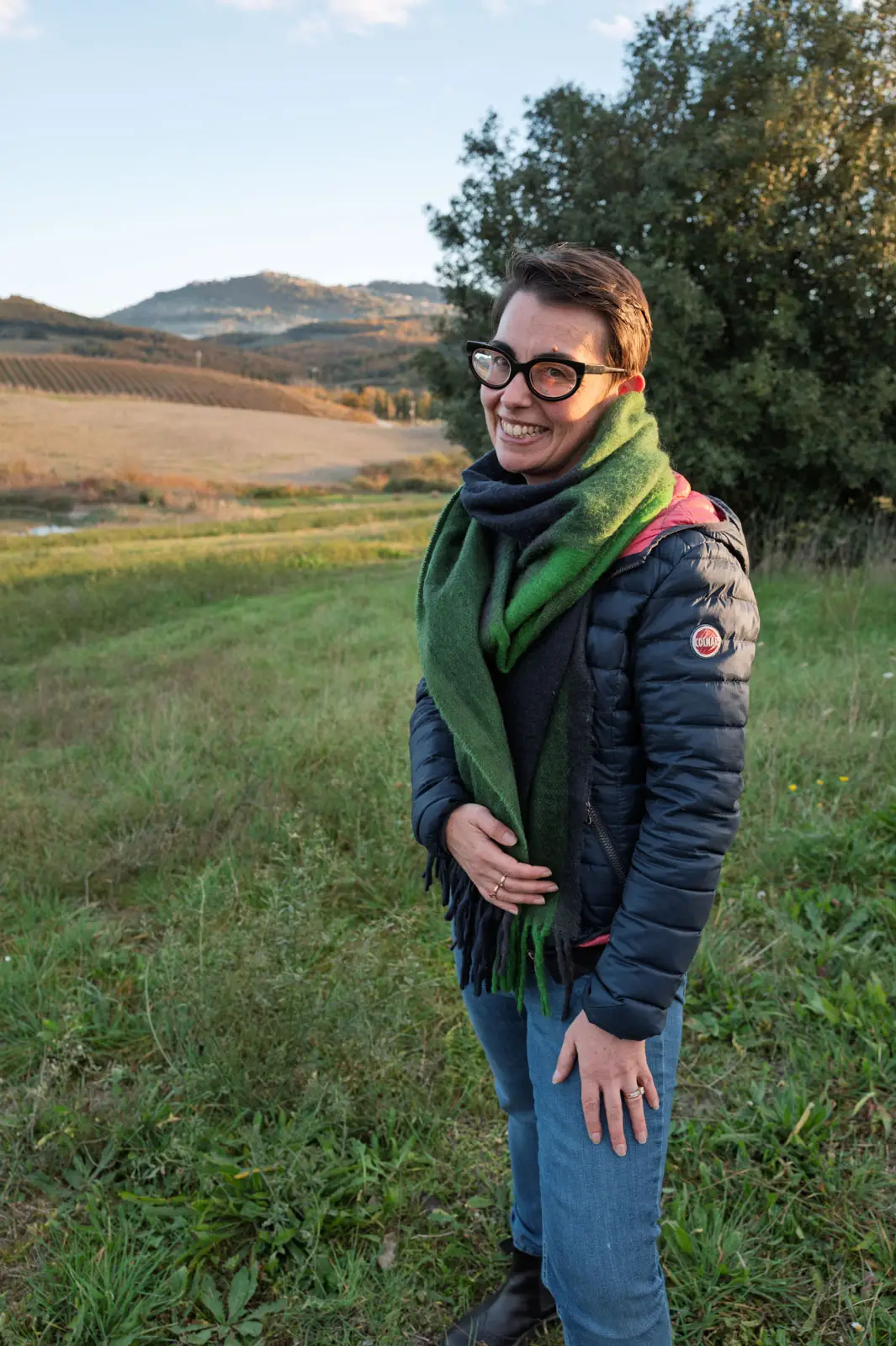
Generosity is the hallmark of Donatella Cinelli Colombini’s wines, one of those situations where the personality of the wines beautifully reflects the people who make it. On my first evening in Montalcino, I visited Violante Cinelli Colombini, the daughter of Donatella, who plays a key role in the company’s operations (a second winery, Fattoria del Colle, resides in the Val d’Orcia). Violante spent ample time talking about the importance of “feeling” with wine — sensing where its potential lies, but also producing a wine that inspires emotions. Long before I ever met her or toured the art-decked winery, I felt this about the estate’s wines. They’re delicate in the right places, yet powerful when called upon at the table.
The 2020 Riserva feels very regal at first: a stately set of aromas that would seemingly impress anyone. But once you get into it and have a few sips, it gets more mysterious and unpredictable: leather one moment, clove the next; a sanguine trait here, blood orange citrus there. Where are we going? you ask. The Riserva doesn’t answer, but just keeps providing.
2019 La Casaccia di Franchesi Brunello di Montalcino Riserva
Siblings Favia and Federico Franchesi are the young and exuberant force behind this relatively new winery, an offshoot of Il Poggione, which their father Leopoldo owns. Their 2019 Riserva is worth noting because I think it is showing where the 2020 will be going. I tasted both during my visit and found the 2020 to be tight and constricted around a ripe but densely-packed structure. In time, these traits will ease, and I think the 2019 was a good glimpse of that: intense but radiant, its fruity core was nicely tinged with elements of florality, herbaceousness and a bitter espresso trait. Also emerging was an attribute of savoriness, which lends intrigue and distinctiveness through the mid-palate.
Most Endurance: 2016 Le Chiuse “Diecianni” Brunello di Montalcino Riserva
Delaying the release of a prized wine by four additional years is the kind of cash flow sabotage that any accountant would argue against. Yet across Italy — where the native red grapes are often fiercely tannic — this approach can have substantial long-term gain. By releasing a benchmark wine after 10 years of maturation at the winery, you richly reward your customers the moment they uncork your bottle. And you make a statement about the timelessness of your estate.
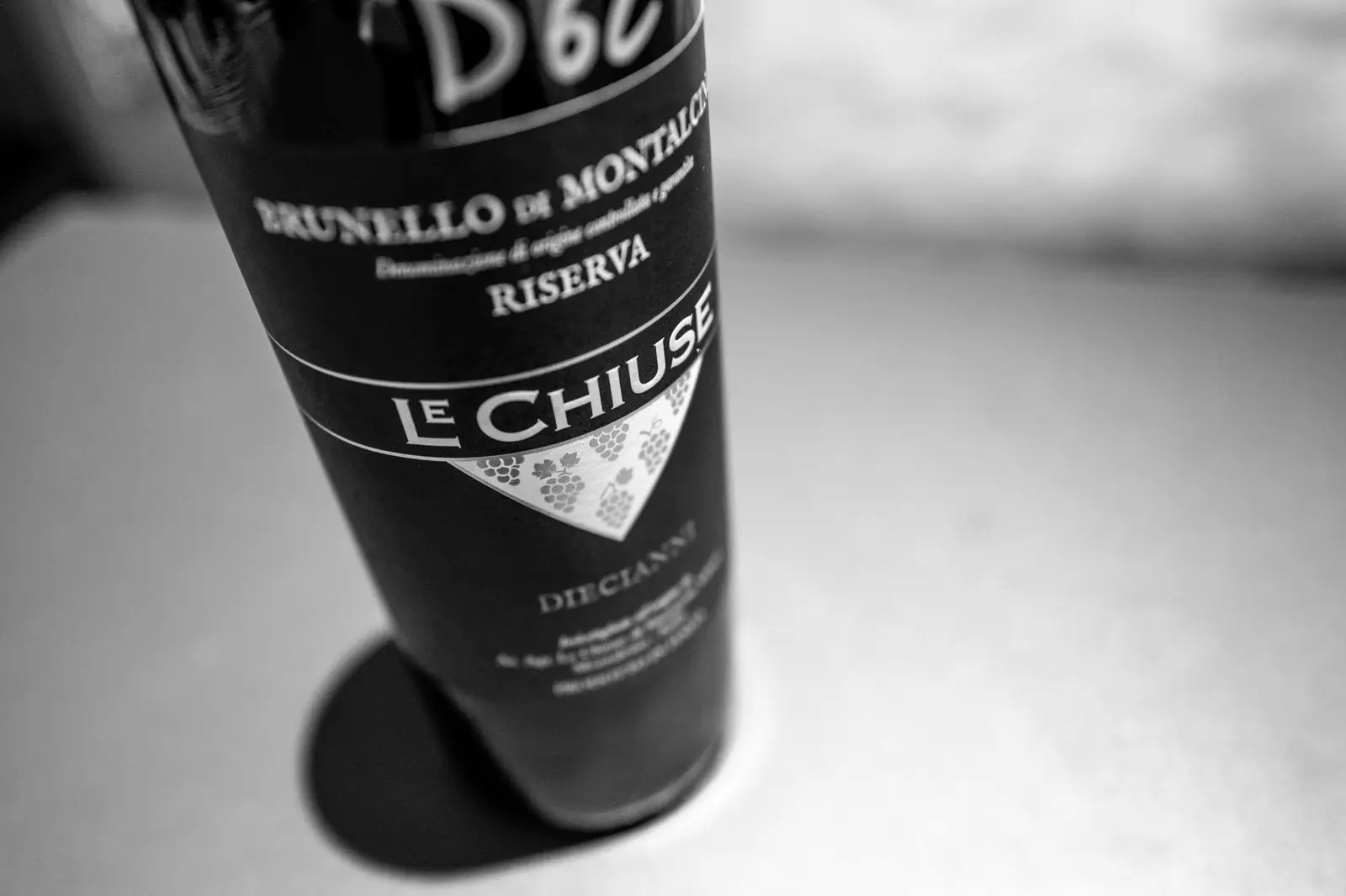
Such is the case with Le Chiuse’s “Diecianni” Brunello di Montalcino Riserva. This gorgeous wine has bottomless depth; a wonderful mix of savory, herbal and smoky sensations; and a finely etched structure that expands beautifully on the palate. The persistence on the finish speaks to minerality, that sensation of stoniness and directness.
Earlier in this piece, I mentioned that Brunello’s sweet spot for me is often around 15 years after vintage. This wine gives you a shorter runway to get there. It is the complete package.
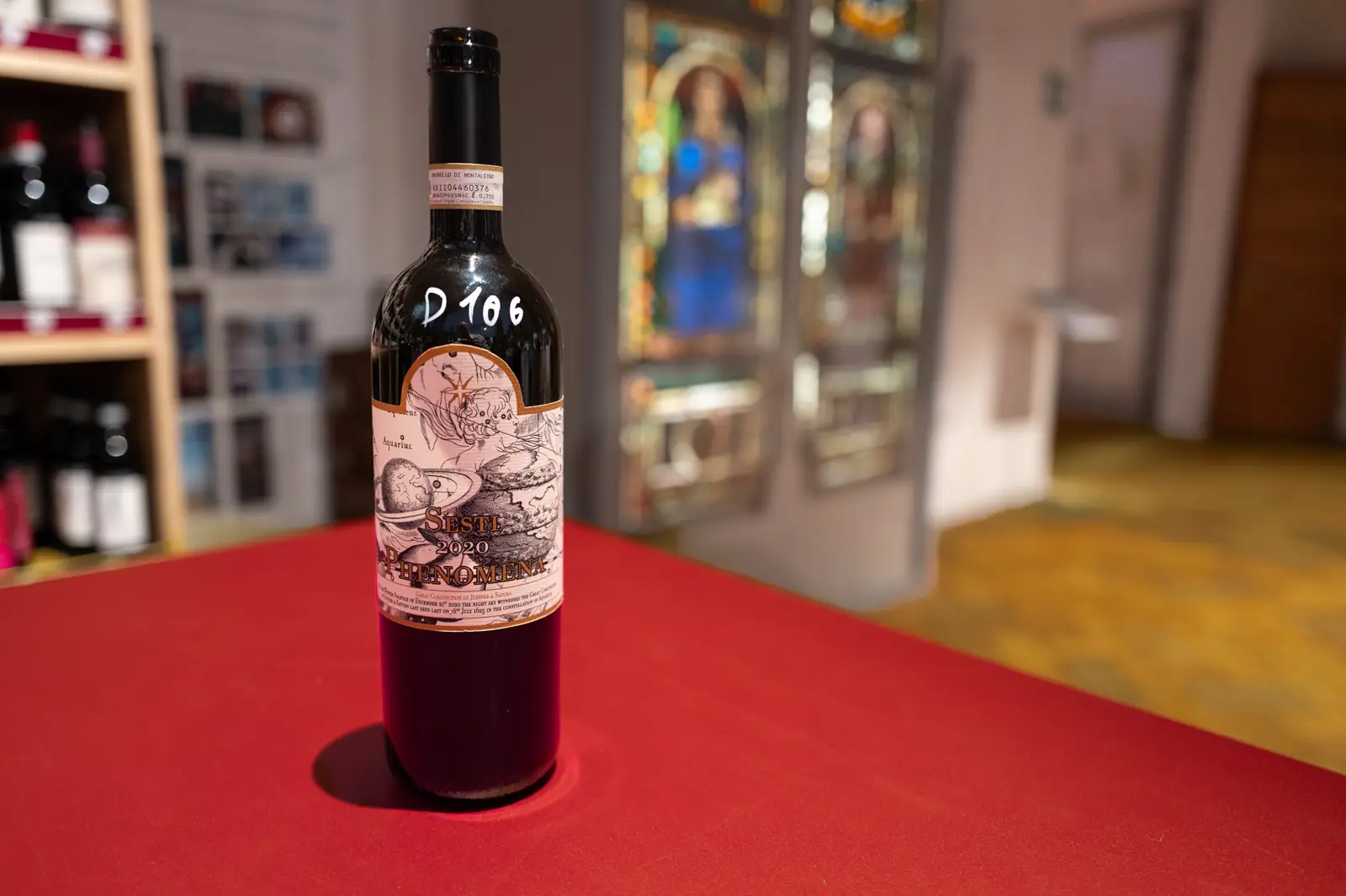
Most Potent: 2020 Sesti “Phenomena” Brunello di Montalcino Riserva
Sesti routinely astonishes with its Riserva, which is aptly named “Phenomena” and draws its intensity from a southern terroir. Balancing Brunello’s insistence on power with its tendency for complex, riveting flavors and textures, the 2020 might be the best version I’ve sampled so far. Its coiled-tight demeanor will demand several more years in bottle if you are willing, but even still, it is revealing a compelling sense of savory and bitter, espresso-like traits this early on. “Phenomena” nonetheless always feels balanced with a natural saunter across the palate.
Most Elegant: 2020 Pietroso Brunello di Montalcino Riserva
It bears repeating: great wines often share the same personality as their creator. Early in my Montalcino adventure, I spent a couple hours with Gianni Pignattai of Pietroso. Gianni is amiable, relaxed and casual, and while his intelligence on fermentation practices and soil structures was on full display, I got the feeling that he also relies a great deal on the feeling of winemaking to achieve his results. Pietroso’s wines are all exceptionally elegant, and the 2020 Brunello di Montalcino Riserva is a massive achievement because it takes this “house style” and offers a twist — more savory tones, more smokiness, more gravitas — while preserving its light-on-the-toes elegance.
The Benchmark: 2020 Poggio di Sotto Brunello di Montalcino Riserva
Poggio di Sotto is different. It just is. Its legacy in the 1990s and 2000s helped establish it as one of Montalcino’s pinnacle estates, and while its sale to the ColleMassari Group may have raised a few eyebrows back in 2011, it has retained an identity defined by soulful, elegant and pristine Brunello wines. Every encounter I’ve had with this winery has been thrilling, and its reputation as one of the very best wineries in the world is well earned. Still, I came away from my visit to Poggio di Sotto — as well as a repeat tasting at Benvenuto Brunello — with a profound sense of awe for the quality of these wines.
The 2020 was the kind of wine that prompted me to slow down and really savor its aromatics. I was halted in my tracks, so to speak. (Does this happen to the speed tasters around me, too? I wondered.) It almost seemed unfair to taste such a statuesque wine in a setting without food, but such is the wine trade. A soft sense of power, a dried savory flavor, a compelling balance of exuberant yet polished tannins … to encounter a wine of this class is always a privilege.
Note that the 2020 is getting a little more bottle aging before a formal release later this year. If you encounter the 2019 Poggio di Sotto Brunello di Montalcino Riserva, it too is sensational.
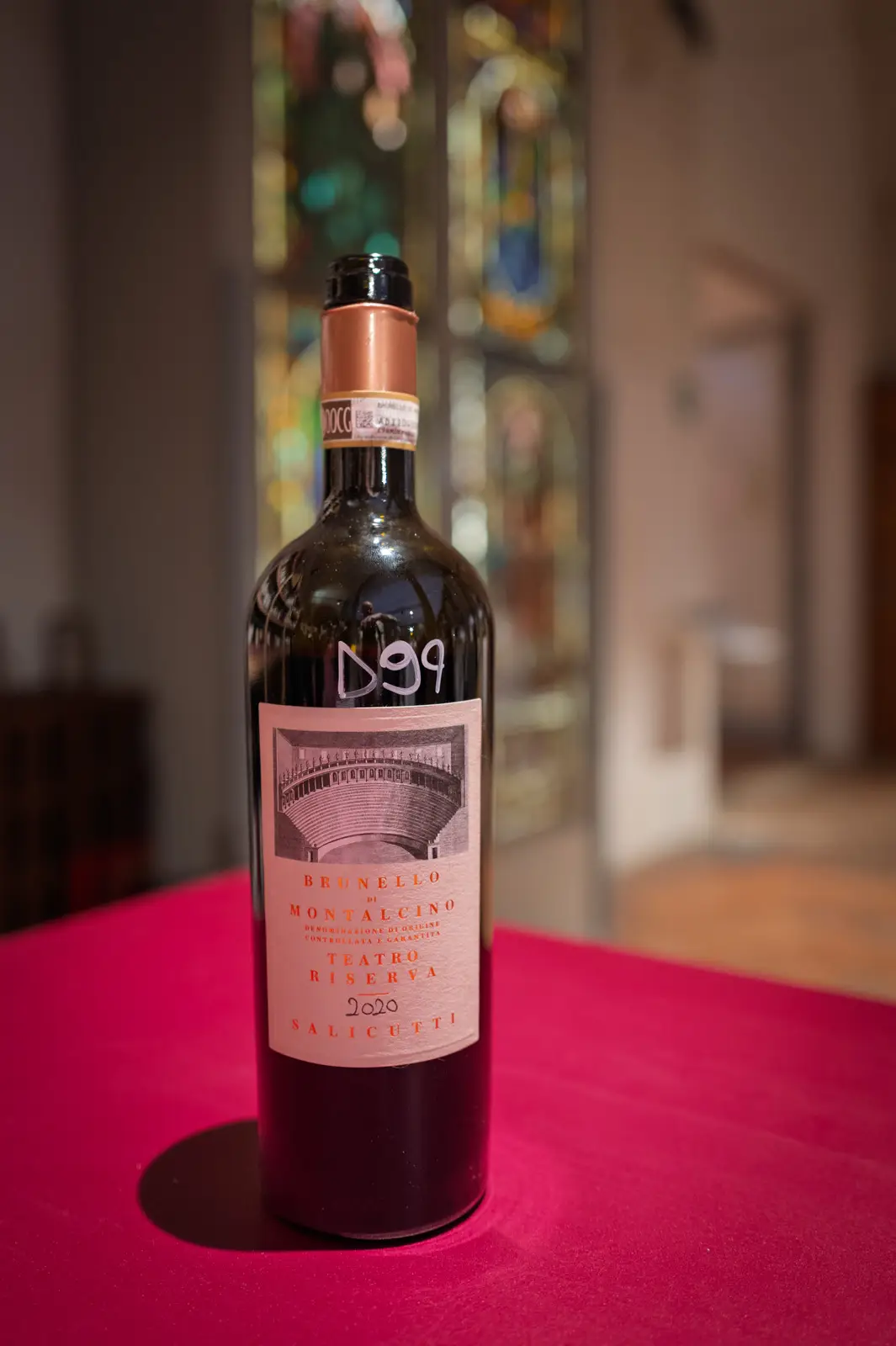
2020 Salicutti “Teatro” Brunello di Montalcino Riserva
Down the road from Biondi-Santi, and before you reach Mastrojanni and Poggio di Sotto, there lies a ridge road which takes you to the vineyards and winemaking facility of Salicutti. San Polino, listed below, lies next door. Here, the views of Mount Amiata are awe-inspiring, and given the track-record of the wines from this sliver of the DOCG, I can’t help but wonder if there is magic in the air.
For single-vineyard expressions of Brunello, it is hard to beat Salicutti, although Mastrojanni entered the chat for me this year as well. “Sorgente” and “Piaggione” are vivid in their own right, but “Teatro” is the star vineyard, looking like the imprint of a scallop shell on the slopes. When it is released, it is classified as a Riserva. The 2020 offers a plush nose that invites you into the glass a little differently than other Brunello di Montalcino wines, for it seems richer and more full-bodied than it ends up being. But the graceful balance of acidity and tannins, as well as the expansive flavors, deliver an exceptional experience front to back. The finish rings like a bell.
2020 Talenti “Pian di Conte” Brunello di Montalcino Riserva
The beautiful little village of Sant’Angelo in Colle is the stuff of Tuscan fantasy. Squat and decked in a palette of burnt siena, the snug hilltop community overlooks vineyards upon vineyards, with the extinct volcano of Mount Amiata rising on the southern horizon. The vineyards to the northwest of the village comprise the fabled Pian di Conte estate, which has belonged to the Talenti family since the 1950s. In remarkable vintages, such as 2020, they devote their best grapes — usually from a select parcel of 40-year-old vines — to a Riserva that honors the historic name. This wine has already eased into a brightly mineral and herbal place, with very clear offerings recalling black pepper, sage leaf, juniper and most of all, raspberry. You could match any single Tuscan recipe with this wine and sparks would fly.
Best Natural Wine: 2019 San Polino Brunello di Montalcino Riserva
Over a raucous home-cooked dinner at San Polino on my final night, I — and a handful of other journalists and somms — got an introduction to the nonconformist Fabbro-Nussbaum family. Here is an estate that does “natural wine” right. How? I don’t know exactly. The estate is certified organic, uses biodynamic principles across the estate, and takes a firmly non-interventionist stance in the cellar. All good things: sign me up. But these qualifiers apply to hundreds, if not thousands of estates worldwide whose wines are still ragged and muddled — my biggest complaint about estates that lean heavily into “natural wine” as an identity.
Perhaps I am going on this tangent because “natural wine” and microbial matters dominated the dinner conversation (and would have meant a rather dull article). But the Fabbro-Nussbaum family identifies strongly with the movement, and have gone to great lengths to make their farm a biodiverse, integrated entity — which deserves commendation. As for the winemaking, the missing ingredient turned out to be something more nebulous. And if you are technically minded and hate poetics, you are not going to like it. It is soul.
I found San Polino’s wines to be heartfelt, none more so than the 2019 Brunello di Montalcino Riserva, which carried a wonderful sense of freshness as well as earthiness that rang with authenticity from nose to palate to finish. This felt compelling and profound, worthy of what Riserva wines ought to be. Brunello is a wine of chiaroscuro, dark and light — this was one of the better demonstrations of that principle.
Captions
©Kevin Day/Opening a Bottle)
At right for desktop, at bottom for mobile:
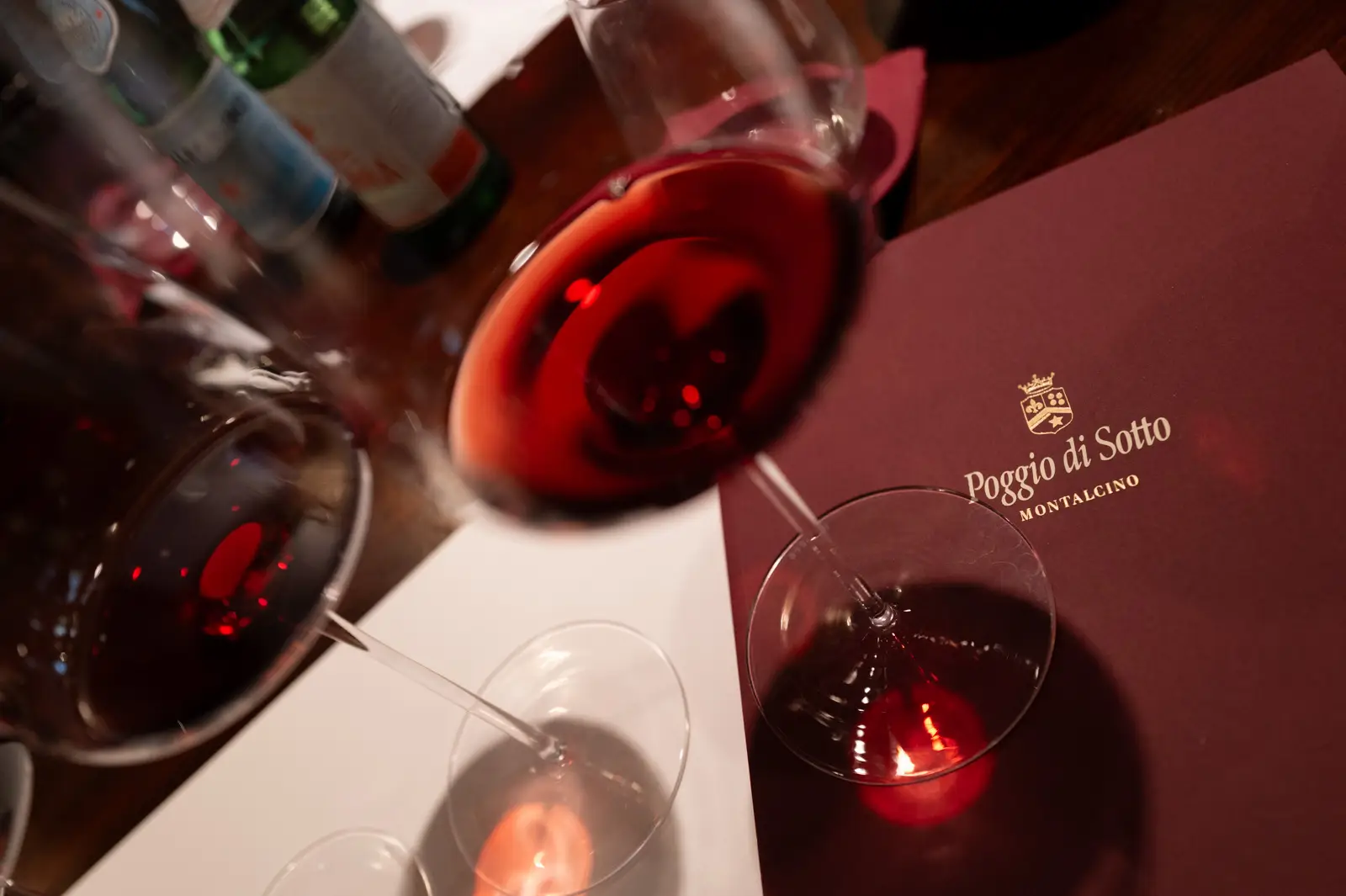
- The extraordinary radiance of color in Poggio di Sotto’s 2010 Brunello Riserva
- Violante Cinelli Colombini — one of the kindest people you’ll meet in the wine business — at the estate her mother, Donatella, established
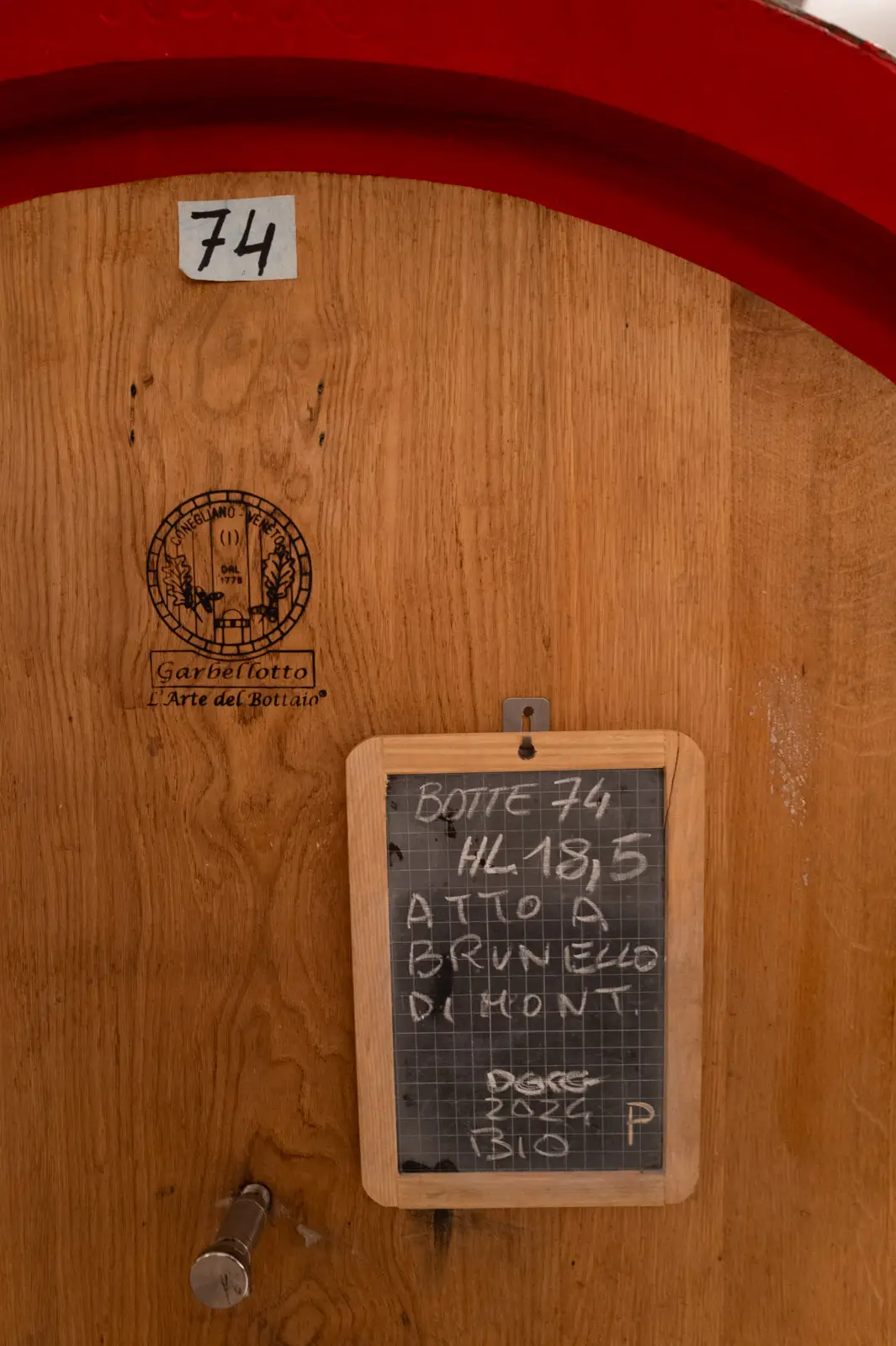
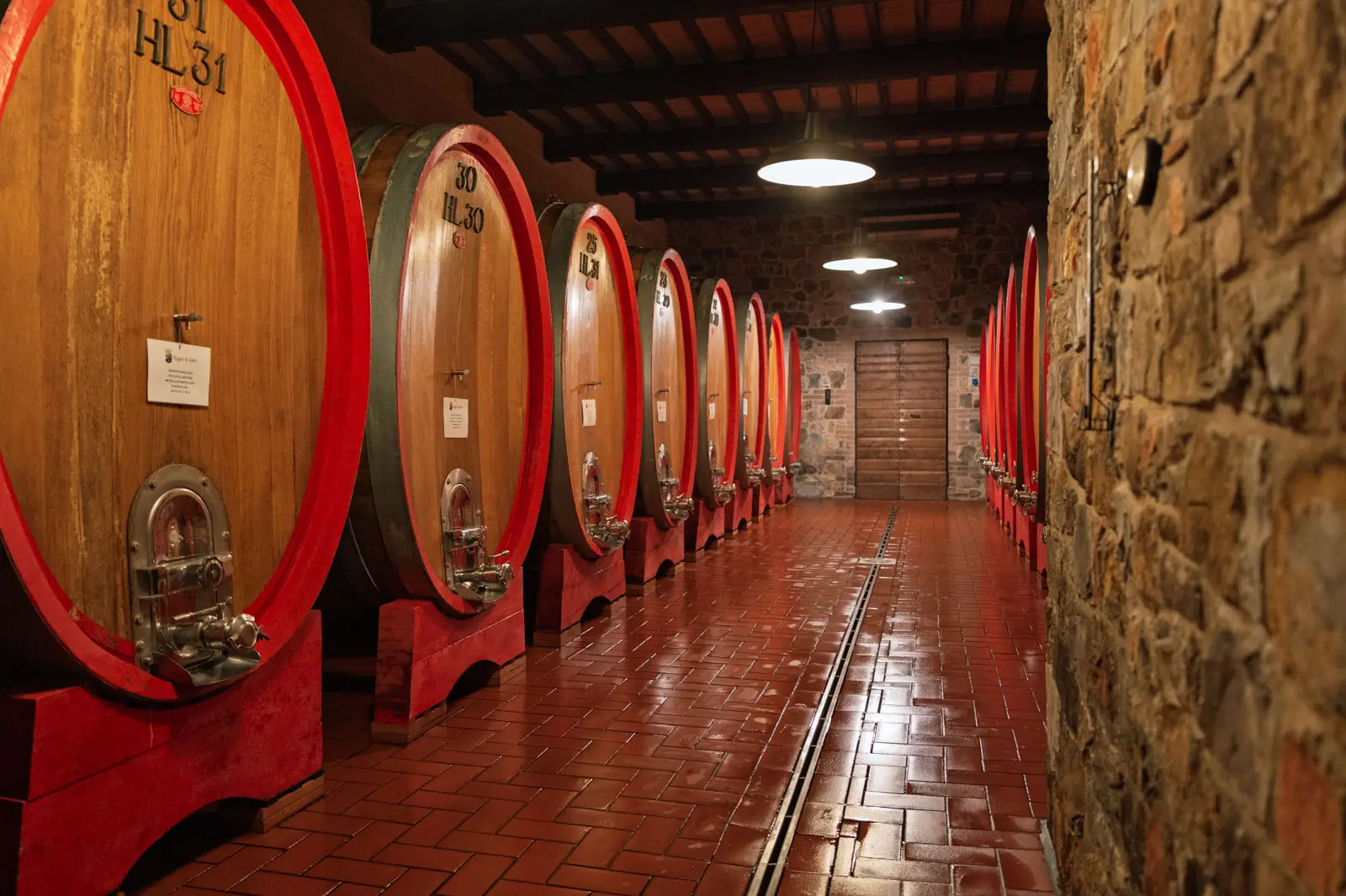
- Brunello botte at Poggio Landi
- The remarkable 2016 Le Chiuse “Diecianni” Brunello di Montalcino Riserva
- The unique label of Sesti’s 2020 “Phenomena” Brunello di Montalcino Riserva
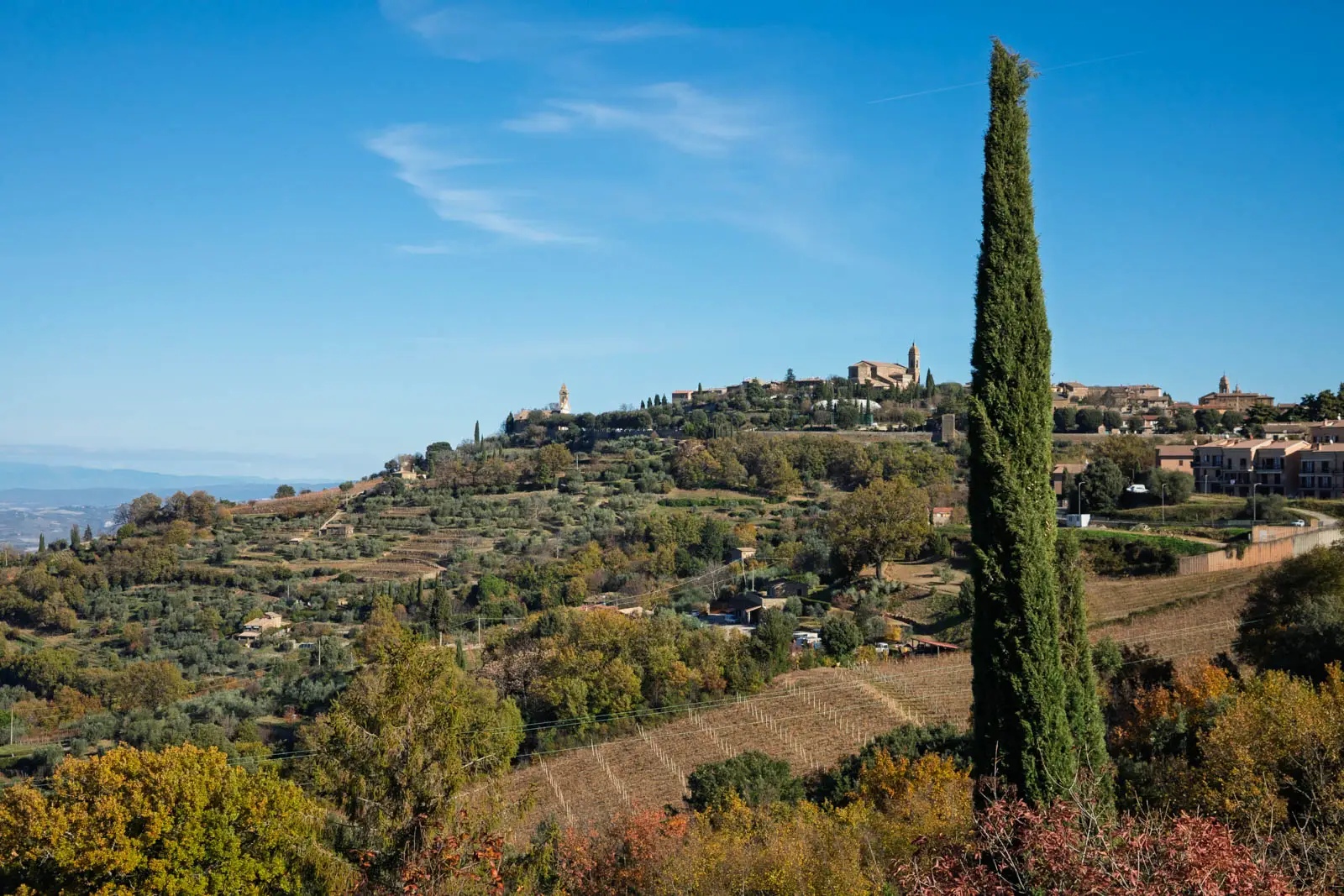
- Montalcino as seen from Pietroso
- The 2020 Salicutti “Teatro” Brunello di Montalcino Riserva
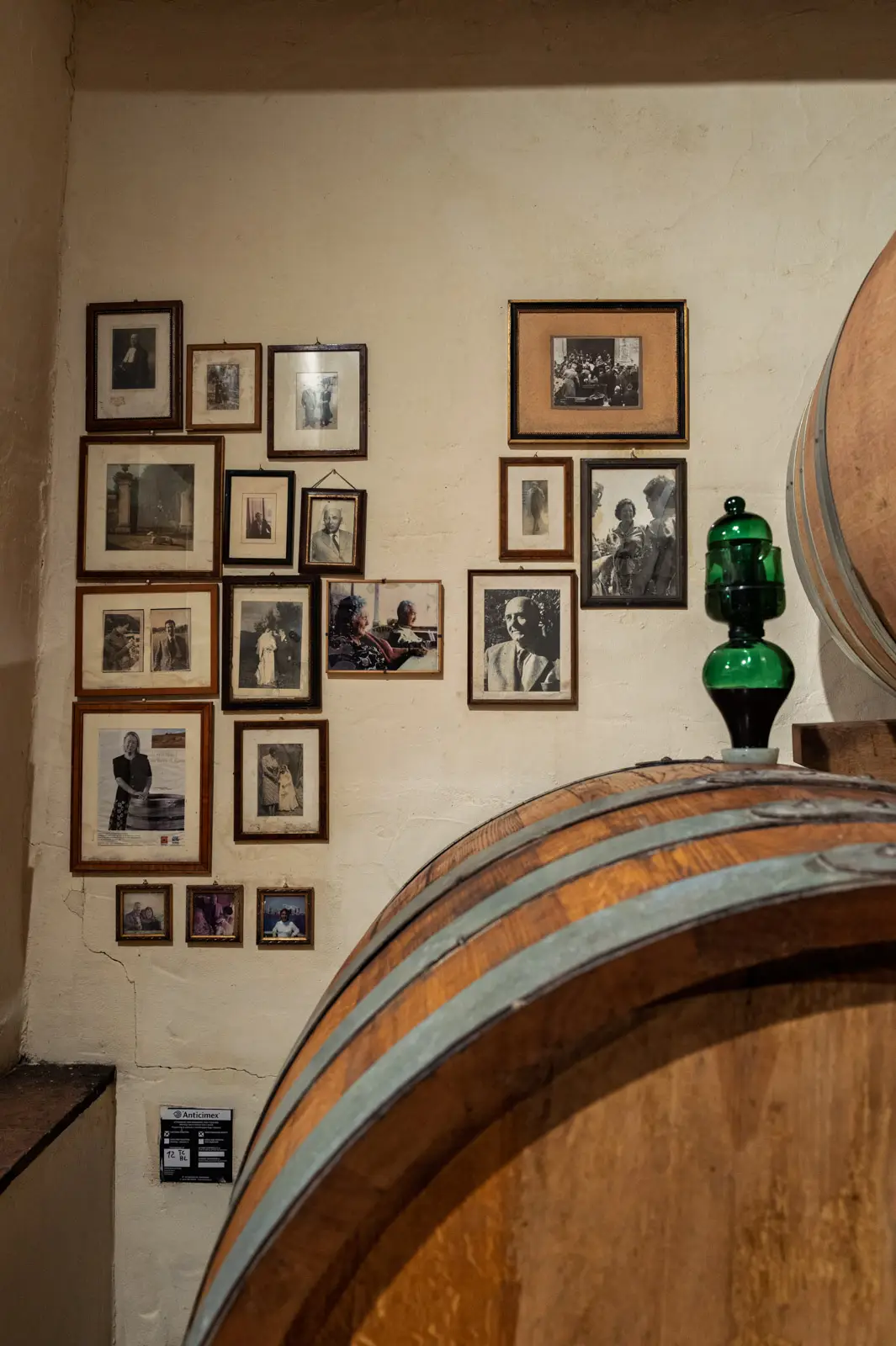
- Family photos in the cellar at Donatelli Cinelli Colombini – Casato Prime Donne
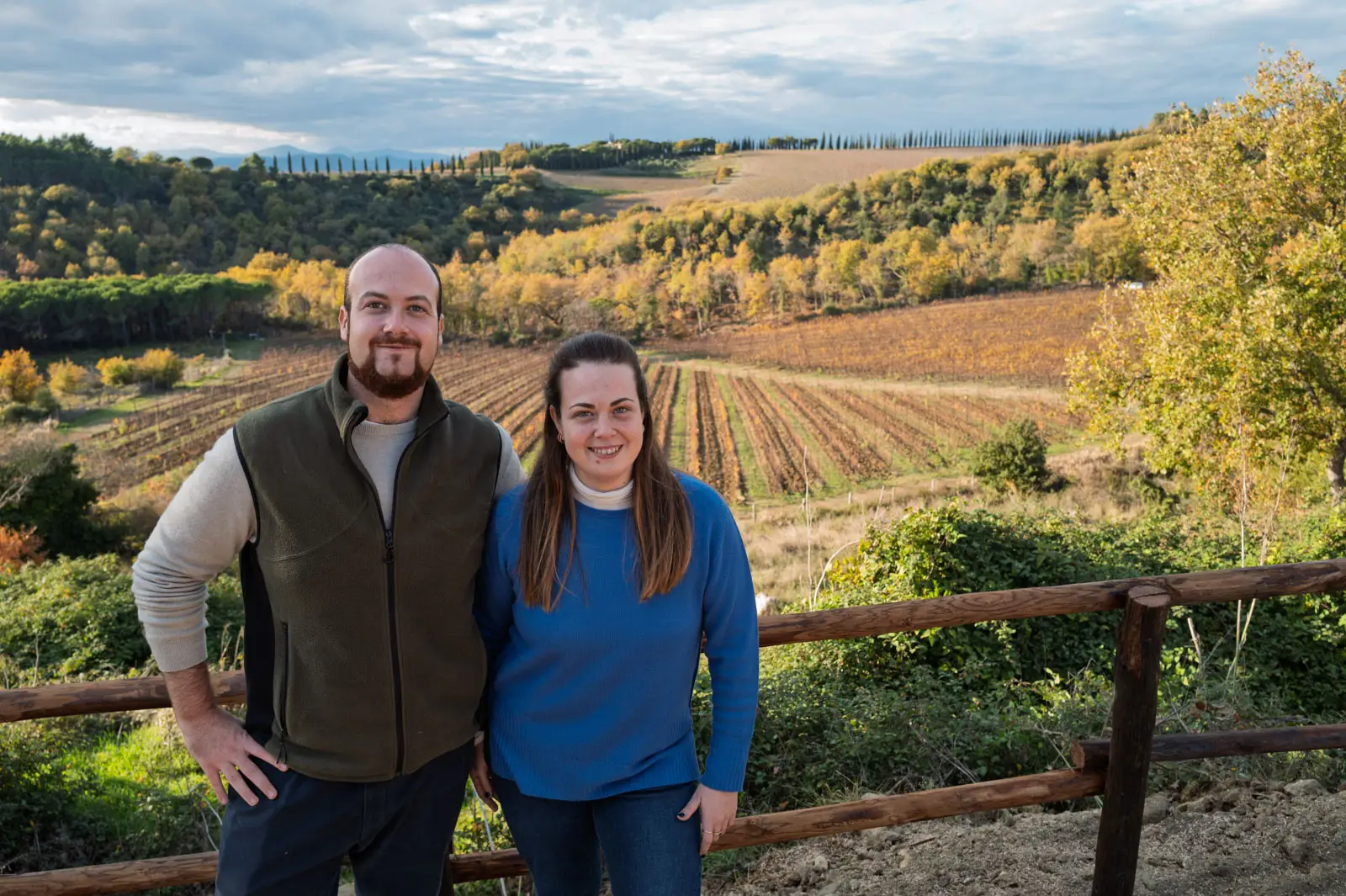
- Favia and Federico Franchesi of La Casaccia di Franchesi
- The immaculately clean barrel-lined cellar at Poggio di Sotto tells you something about the pristine nature of the estate’s wines.
Note: My participation in Benvenuto Brunello was the result of a press trip at the invitation of Consorzio Vino Brunello di Montalcino. Learn more about my editorial and travel policy.