Graziano Prà
Why Graziano Prà is Essential
Before Veneto was known globally for Prosecco, it was known for Soave and Amarone, the white and red juggernauts of commercial production in the 1980s. Soave was not serious stuff, but its name rolled off the tongue and there was a lot of it. Amarone was the Arnold Schwarzenegger of Italian wine: bulging with its muscles, loaded with charisma, but just barely eloquent enough to understand.
Graziano Prà and his brother, Sergio, started on their path around this time, committing to organic viticulture from the beginning, and slowly but steadily redefining what Soave and, eventually Amarone, could be for modern drinkers. Soave has very interesting soils with volcanic origins, which ought to convey a boundless energy. Prà was one of the first to crack the code on unleashing this persistence, which today is an absolute prerequisite for quality Soave. Because of this trait, Prà’s Monte Grande Soave Classico is among a cadre of top age-worthy white wines from Northern Italy.
But his most impressive accomplishment began in the early 2000s, when Prà — already established as a premier producer of white wines — decided to take a swing at the most red of red wines. After acquiring a high-elevation vineyard with underlying chalky soil named Morandina, Prà issued an important counterpoint to the often leaden, overbearing wines of the area. Suddenly, finesse was in Amarone’s vocabulary.
Monforte d’Alpone, Veneto
Grapes: Garganega, Corvina, Corvinone
Appellations/Cru: Soave Classico DOC, Amarone della Valpolicella DOCG
American Importer: Oliver McCrum Wines (West), Polaner Selected (East)
Originally listed: February 2026
Wines to Seek Out
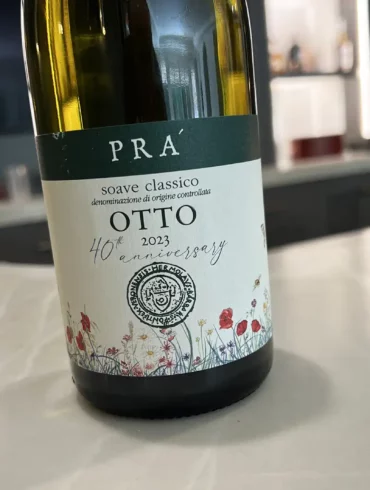
Graziano Prà “Otto” Soave Classico
Named after the family border collie, not the Italian number eight, this entry-level Soave is a vivacious and flavorful salvo to the region’s potential. While it is fresh and undeniably delicious, it has some complexity thanks to the 30- to 60-year-old source material in the vineyard. This is one of Italy’s best bargain white wines.
Graziano Prà “Monte Grande” Soave Classico
A Grand Cru of sorts for Soave, the Monte Grande UGA is no stranger to fans of Soave. Fourteen different producers have vineyards on this husky monolith comprised of black volcanic soil, but it is Prà who possess the sweet spot on the mountain, midway up with optimal sun exposure and drainage. The secret to this wine is the different approach to the two grapes in the blend. Garganega (70%) is allowed to tip over the edge of ripeness a bit, while Trebbiano di Soave (30%) is harvested for its acidity to provide verge and backbone. Anyone who loves Verdicchio (which is genetically identical to the latter) will recognize that signature zing as this complex and soulful wines dashes across the palate.
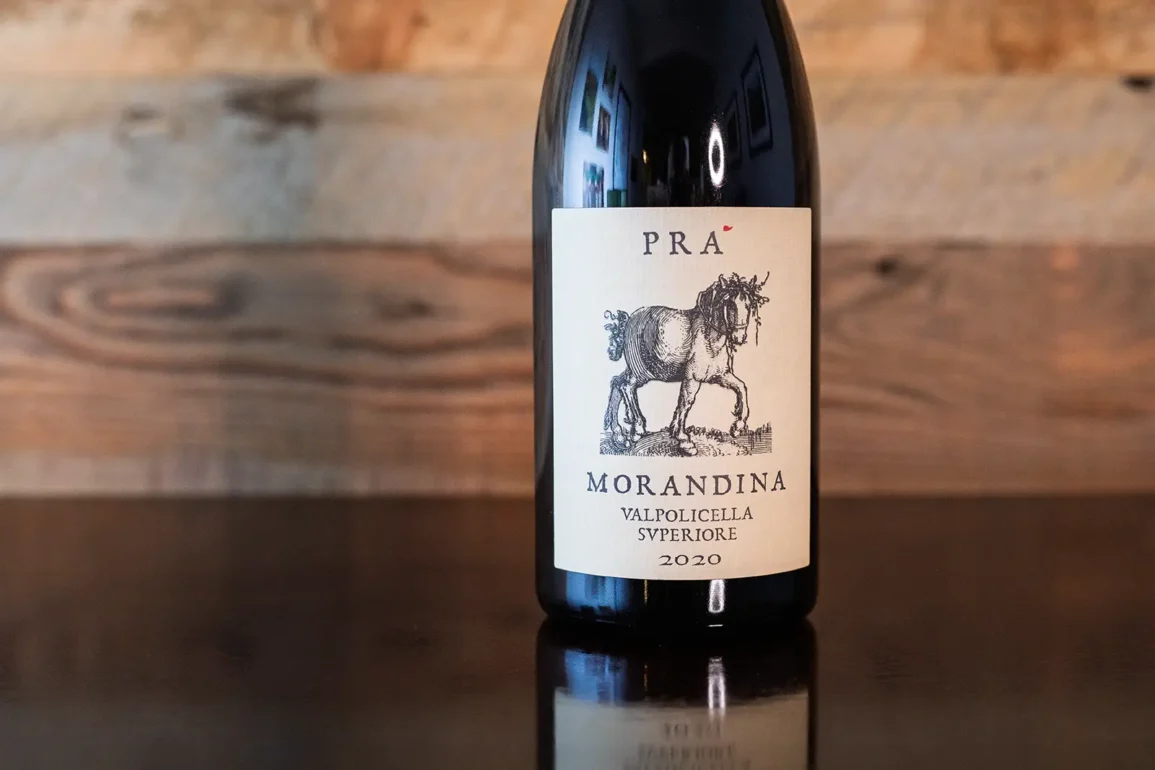
Graziano Prà “Morandina” Valpolicella Superiore
With its spice and plummy fruits, this structured and serious Valpo would please most fans of old school Bordeaux with its tones. Made from a blend of Corvina, Corvinone, Rondinella and Osleta, it maintains a certain lightness, however, thanks to its quenching acidity and fine-grained tannins.
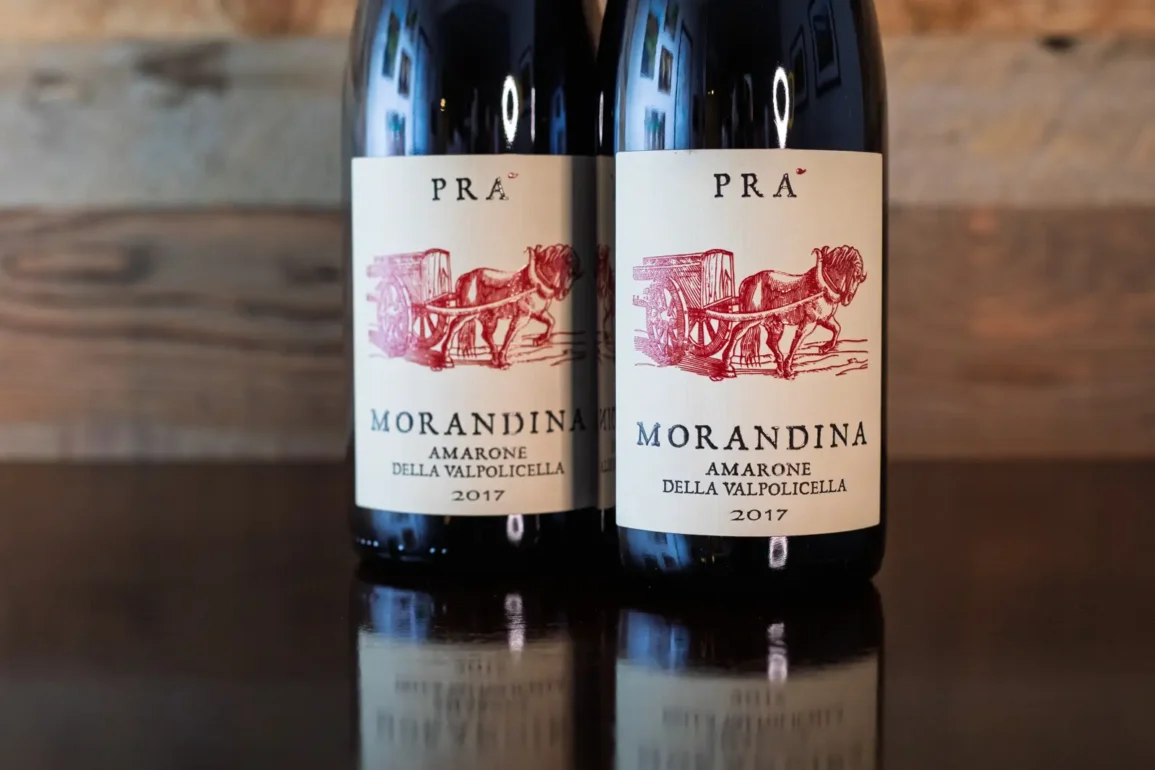
Graziano Prà “Morandina” Amarone della Valpolicella
When I was assembling my 100 Wines to Admire for the book Opening a Bottle: Italy, I approached the category of Amarone della Valpolicella with the enthusiasm of a kid being asked to wash his dad’s car. “Do I have to?” No disrespect to this highly technical, tradition-meets-modern wine: the way it is made is absolutely fascinating, but the results, in the end, are usually fatiguing due to its lopsided power.
Then I remembered Graziano Prà’s “Morandina,” which I had sampled several times at trade tastings. Wasn’t that always good? Shouldn’t I track down a bottle and give it a test? Indeed, this is the only Amarone that leads with finesse and elegance, while not surrendering its power. Amarone draws its uniqueness from the raisin-like character of its ingredients, which is a must. But along with that comes higher sugars and naturally — when vinified dry as all Amarone are — extreme alcohol. Indeed, Prà’s “Morandina” clocks in quite high each vintage, but you don’t detect it right away because it is so well incorporated to the wine’s sleek and agile structure. To me, this is the benchmark by which all other Amarone should be judged.
Read More About Graziano Prà & Valpolicella Wines
Other Essential Winemakers
Similar in style or terroir to: Graziano Prà