Last year, I completed a Wine Scholar Guild trifecta by passing the Spanish Wine Scholar exam with Highest Honors. For me, the Italian Wine Scholar Guild program was an essential stepping stone in my wine writing career, lending enormous context and understanding to how everything connected in Italy. Similarly, the French Wine Scholar program filled many gaps in my understanding of France’s diverse wine regions. I completed the Italian program in 2018, and the French program in 2019.
Compared to Italy’s dizzying array of varieties, there were far fewer grapes to memorize in Spain, with Grenache and Tempranillo dominating most of the regions. Yet, strangely, I found that this lack of contrast blurred many of the details together. But not in Galicia.
It was a delight to assume the role of student once more, but studying Spain felt wholly different. With the exception of Sherry, the winemaking styles felt familiar — less novel and numerous than what I’d encountered studying Italy and France. Compared to Italy’s dizzying array of varieties, there were far fewer grapes to memorize in Spain, with Grenache and Tempranillo dominating most of the regions. Yet, strangely, I found that this lack of contrast blurred many of the details together. The more complex and unique the region, the easier it was to wrap my head around. And because of this, I found myself particularly keen on Galicia, whose wines I’ve long adored.
If the Spain and Portugal look like a man wearing a football helmet, then this region is the forehead taking the brunt of the blows (in this case, the Atlantic Ocean’s weather). Galicia is the wettest of the nation’s 17 autonomous regions, and because of this, its grape varieties are completely different from the rest of the nation. Albariño leads on the white side while Mencía sets the standard on the red, but there are several others making their mark, particularly in the form of blended white wines, such as Treixadura, Godello, Torrontés and Loureira.
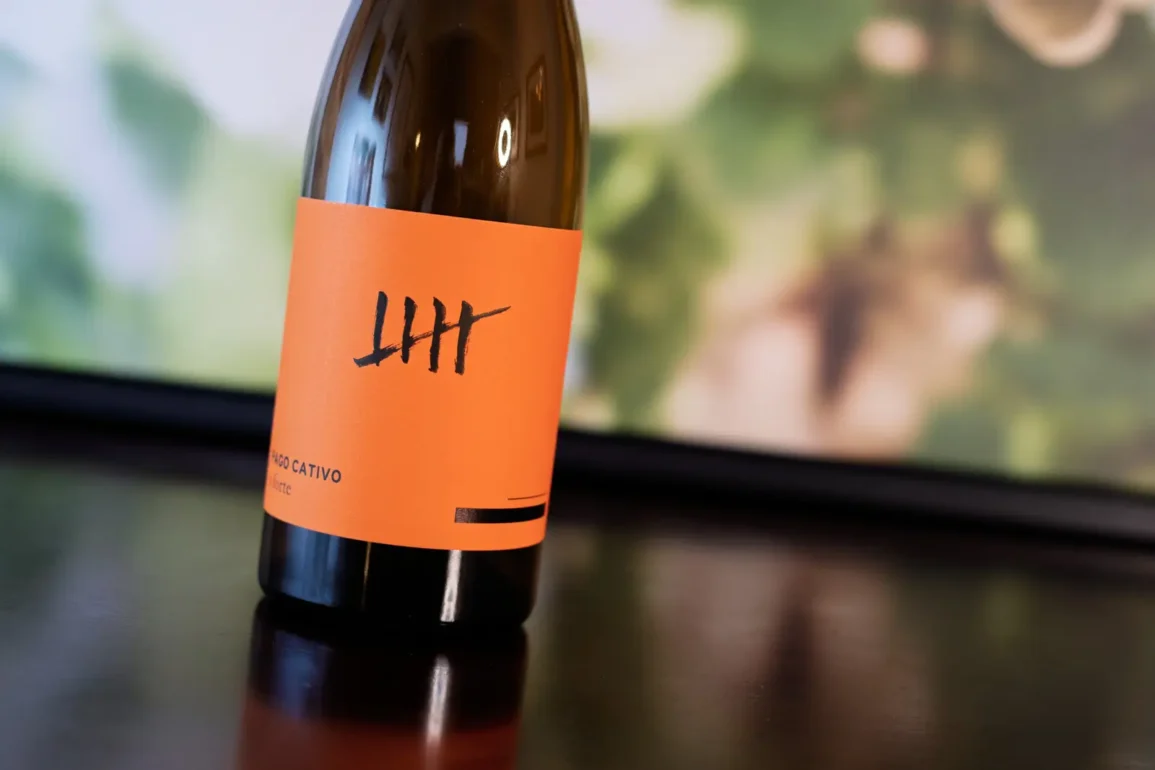
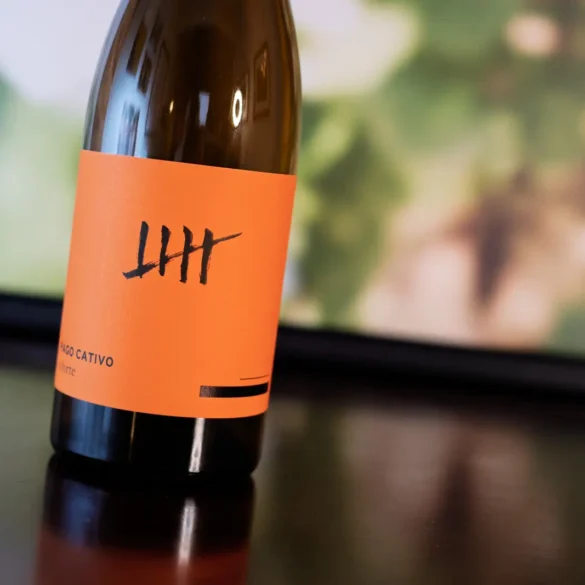
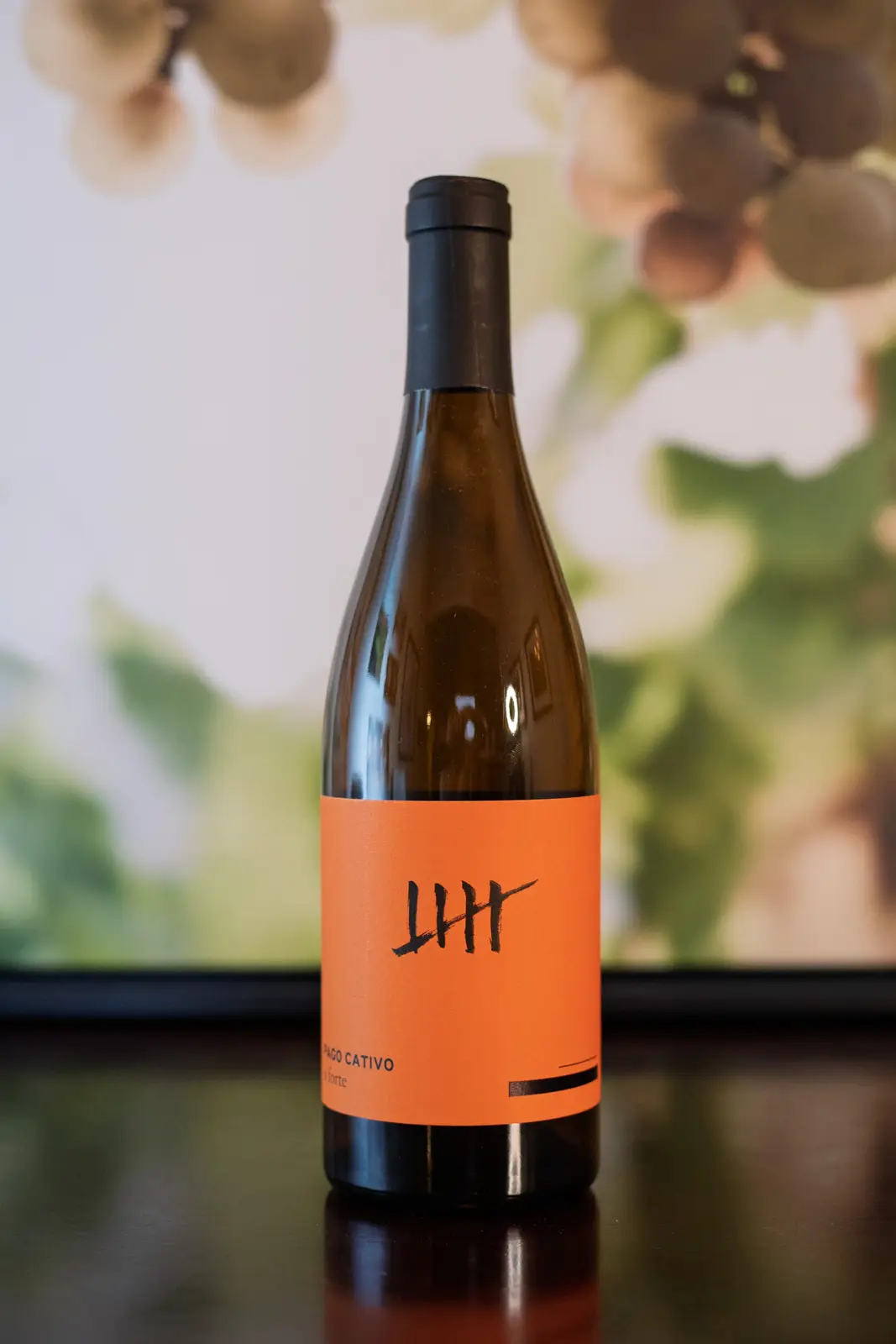
Every time I uncork a Galician wine, I find something intriguing. The best one from my studies was “Pago Cativo O Forte.”
This wine is a collaboration between winemaker Alvaro Bueno and the Pastor-Gilabert (José Pastor is a noteworthy importer of Spanish wines). Hailing from Ribeiro, the oldest protected region for wine in Galicia, it features an intriguing blend of mostly Treixadura and Albariño, meaning it is full bodied yet silky and persistent at the same time. Some lees contact lends a hint of edgy flavor that reminded me of creme brûlée crust. It is a wild, elevated and exciting wine that should be sought out at all costs. You are most likely to find it at independent wine shops with a curated selection of Spanish wines, like Denver’s The Vineyard, where I found this bottle.
2022 Viños de Terruños “Pago Cativo O Forte” Ribeiro
 Ribeiro DO (Galicia )
Grapes: Treixadura (50%), Albariño (20%), Godello (10%), Torrontés (10%), Caiño Blanco (10%)
Alcohol: 13%
Food-friendliness: Impeccable
Value: Very Good
A beginner might like … opening the door to the possibilities of Galician wine. You may know Rías Baixas Albariño, but that is just the tip of the iceberg.
A wine obsessive might like … hunting for hints of lees contact in this stainless-steel fermented wine. They’re in there, and they offer an intriguing edge to the silky refreshment of this stunning white blend.