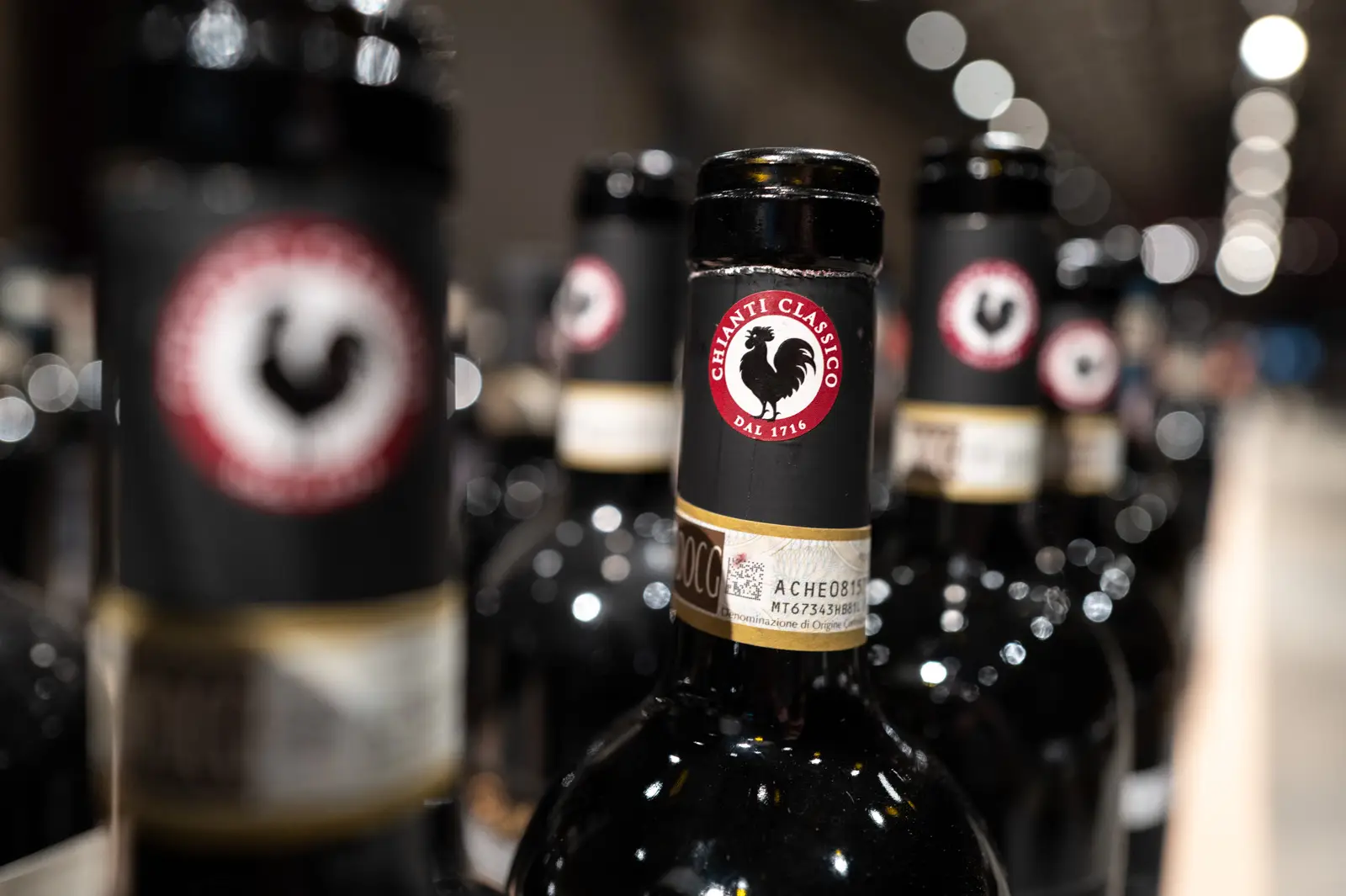
As I complete my coverage of the 2026 edition of the Chianti Classico Collection, it feels appropriate to circle back on the star of the show, a singular grape like no other in Italy: Sangiovese.
This grape has endured centuries, and perhaps millennia, of ups and downs across the heart of Tuscany. Its desire for a long growing season can make it seem like a raconteur who collects stories across each vintage. Its adaptability in the cellar (sparkling, rosato, red) should never be confused with nonchalance. Sangiovese is a demanding grape, and it will offer an anonymous performance if its conditions aren’t met.
Which is what makes Chianti Classico so remarkable. Here you have a massive growing region that covers 170,000 acres of total area, with 345 producers of various size and ethos, and yet it so consistently delivers on the promise of Sangiovese.
That is particularly apparent with the entry-level wines, known as Chianti Classico (or unofficially as annata, for annual). Requiring only 12 months of aging and a minimum of 80% Sangiovese, these wines are habitually fresh, juicy and pleasing. Some are tinged with savory and herbal dimensions, others offer a hint at the more serious tannins and resolute structure of the Chianti Classico Riserva and Chianti Classico Gran Selezione categories. Some do it all.
I’ve been tracking these wines for over a decade now, and I find it comforting that these wines are only getting more refreshing, more versatile and more interesting with each vintage.
It’s hard to identify a single Italian red wine that does it all. But if there is one category that does it most, it’s Chianti Classico. The following 12 stood out to me during my marathon tastings at February’s Chianti Classico Collection.
Navigate This Guide
Alphabetical
- 2019 Antico Podere Casanova-Bucciarelli Chianti Classico
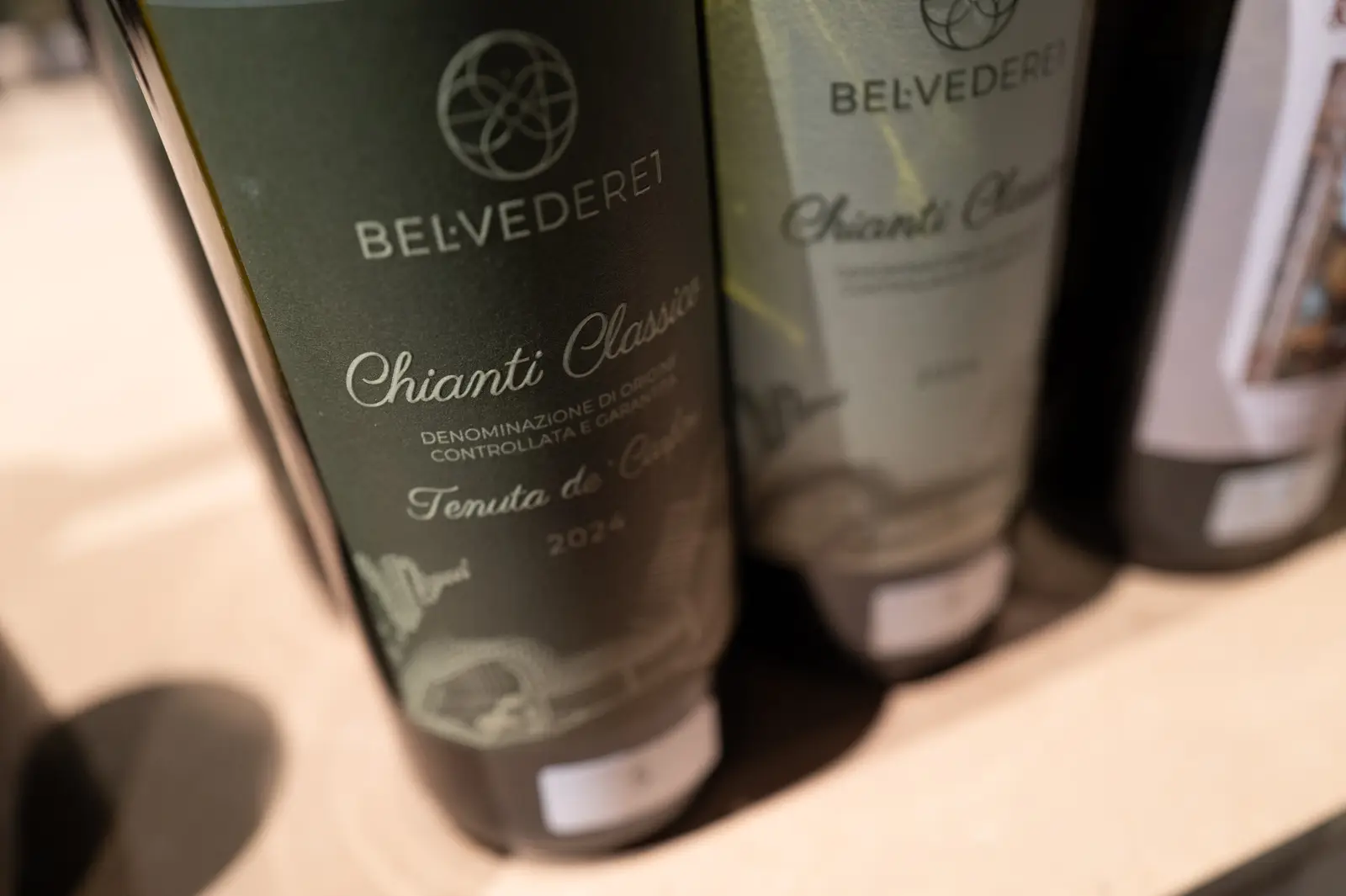
- 2024 Belvedere1 Tenuta de’ Carfini Chianti Classico
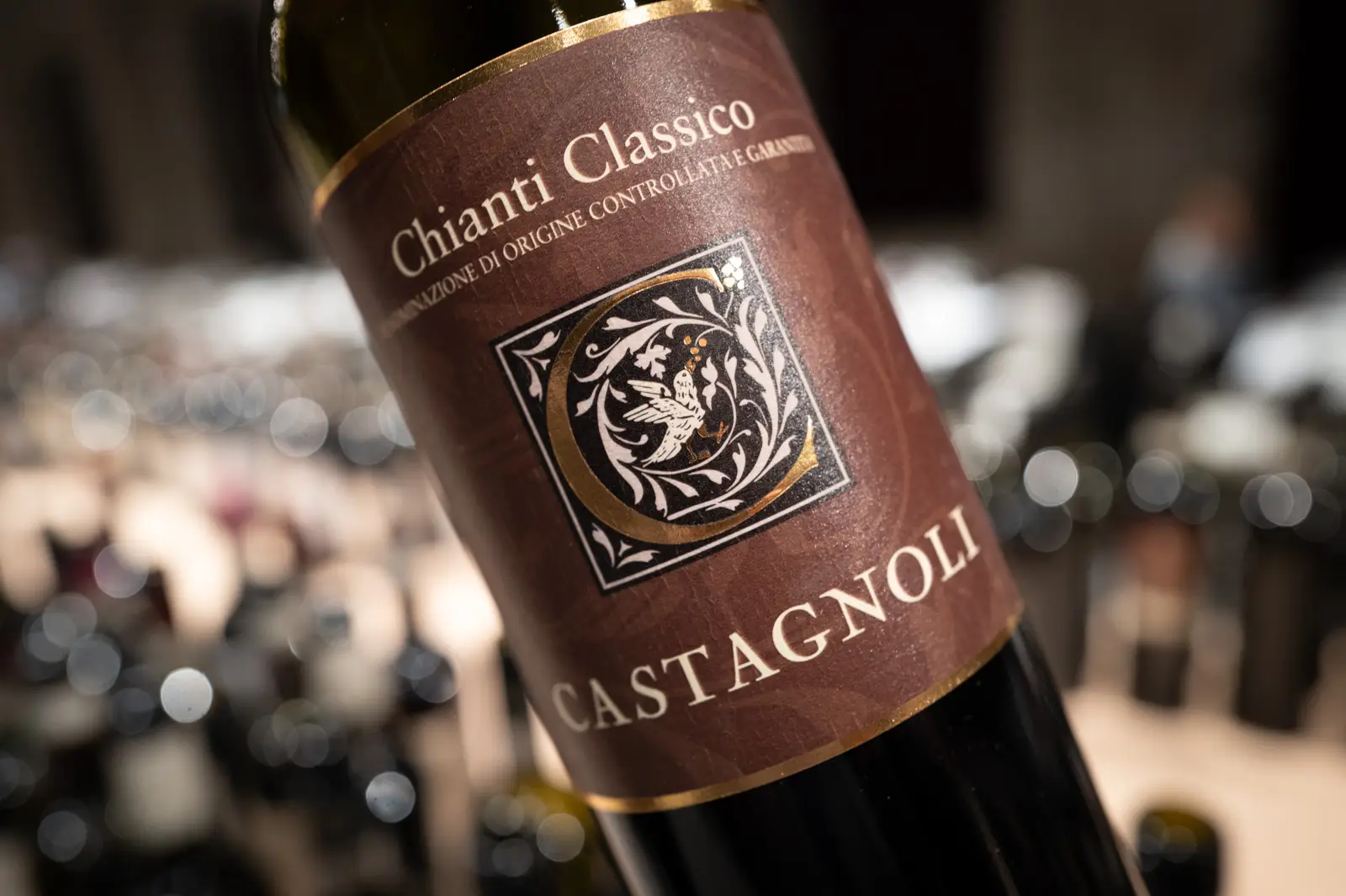
- 2023 Castagnoli Chianti Classico
- 2024 Castello di Volpaia Chianti Classico
- 2024 Cigliano di Sopra Chianti Classico
- 2023 La Sala del Torriano Chianti Classico
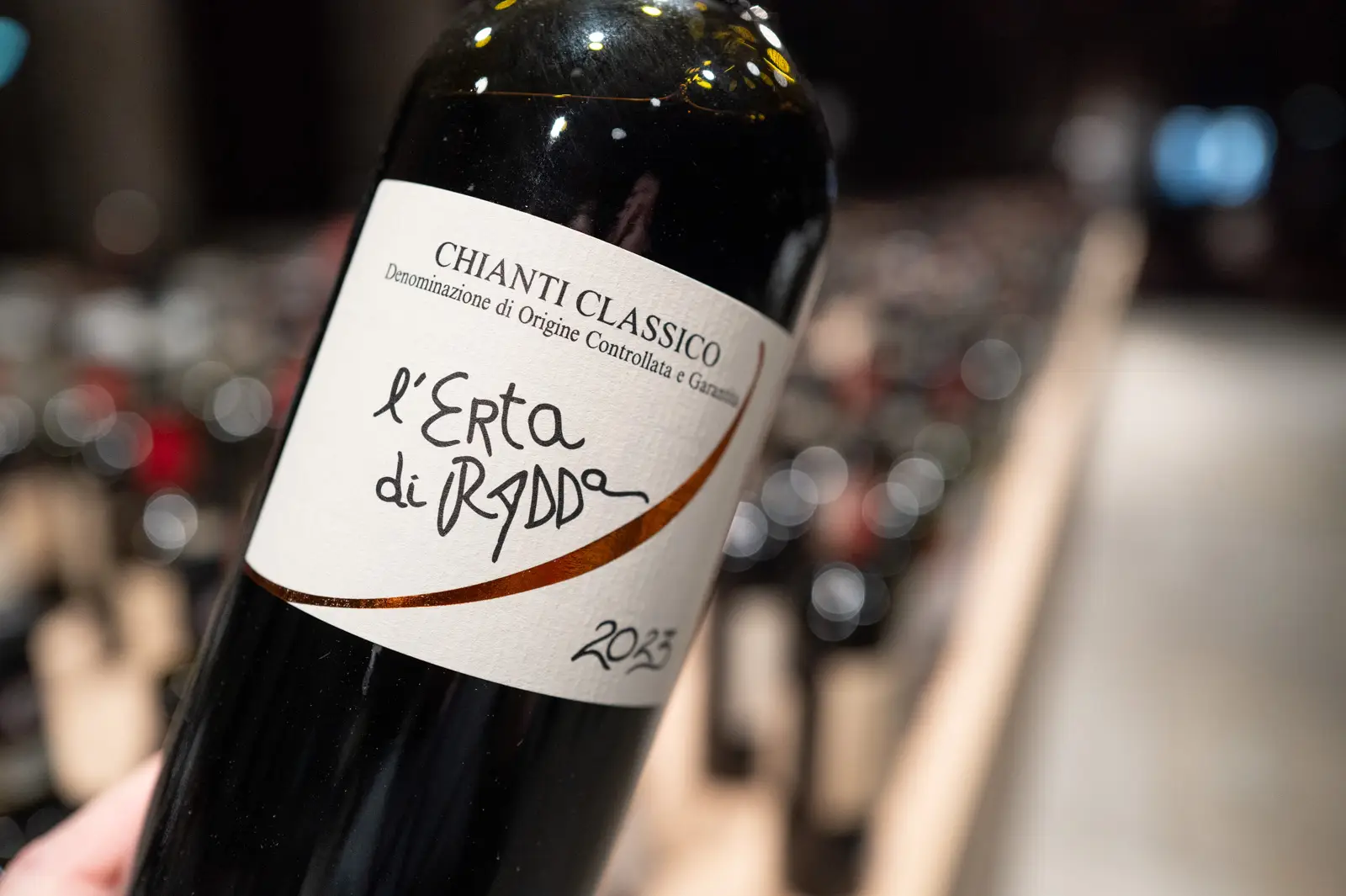
- 2023 L’Erta di Radda Chianti Classico
- 2024 Monteraponi Chianti Classico
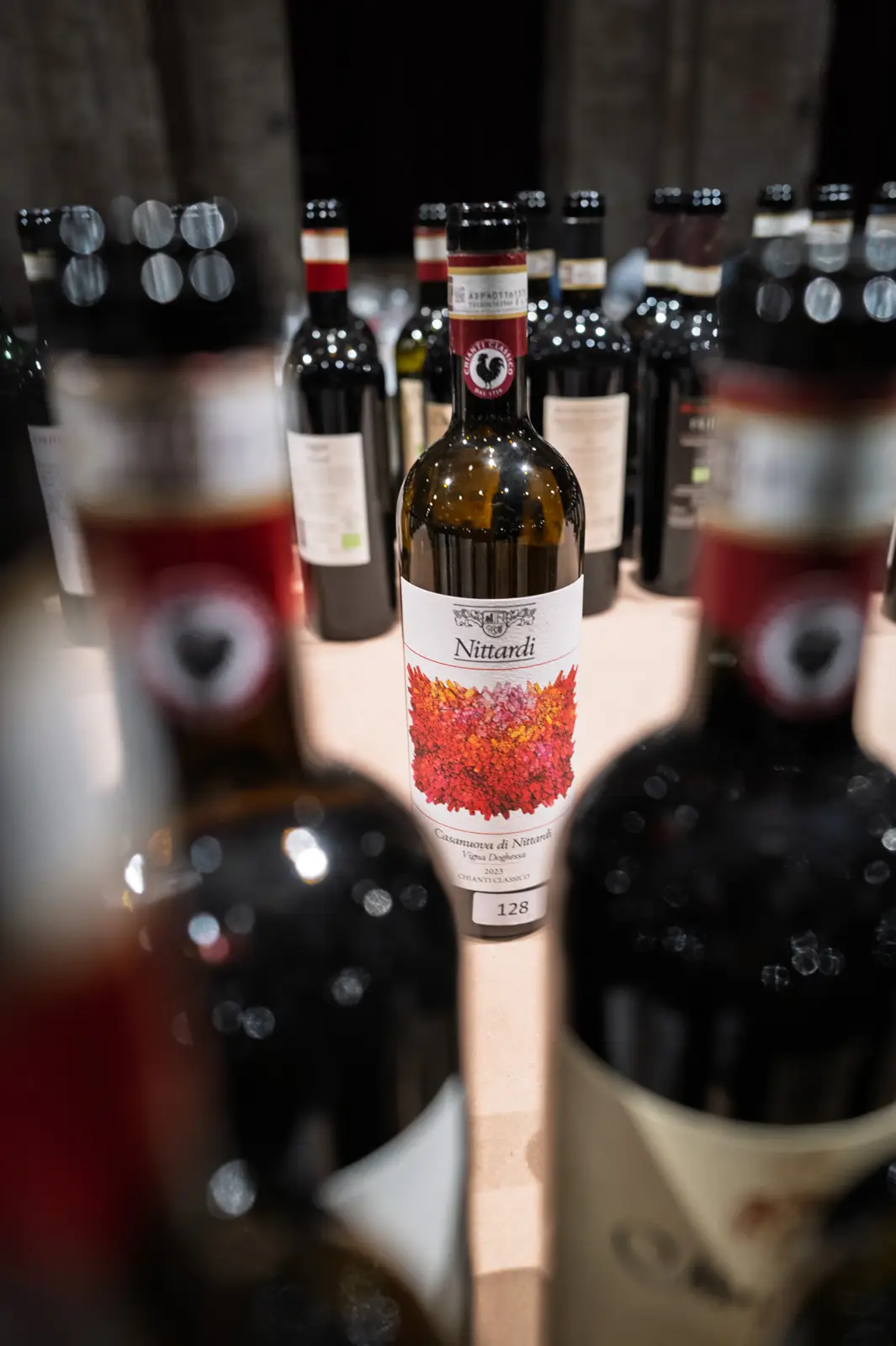
- 2023 Nittardi “Vigna Doghessa” Chianti Classico
- 2023 Rocca di Montegrossi Chianti Classico
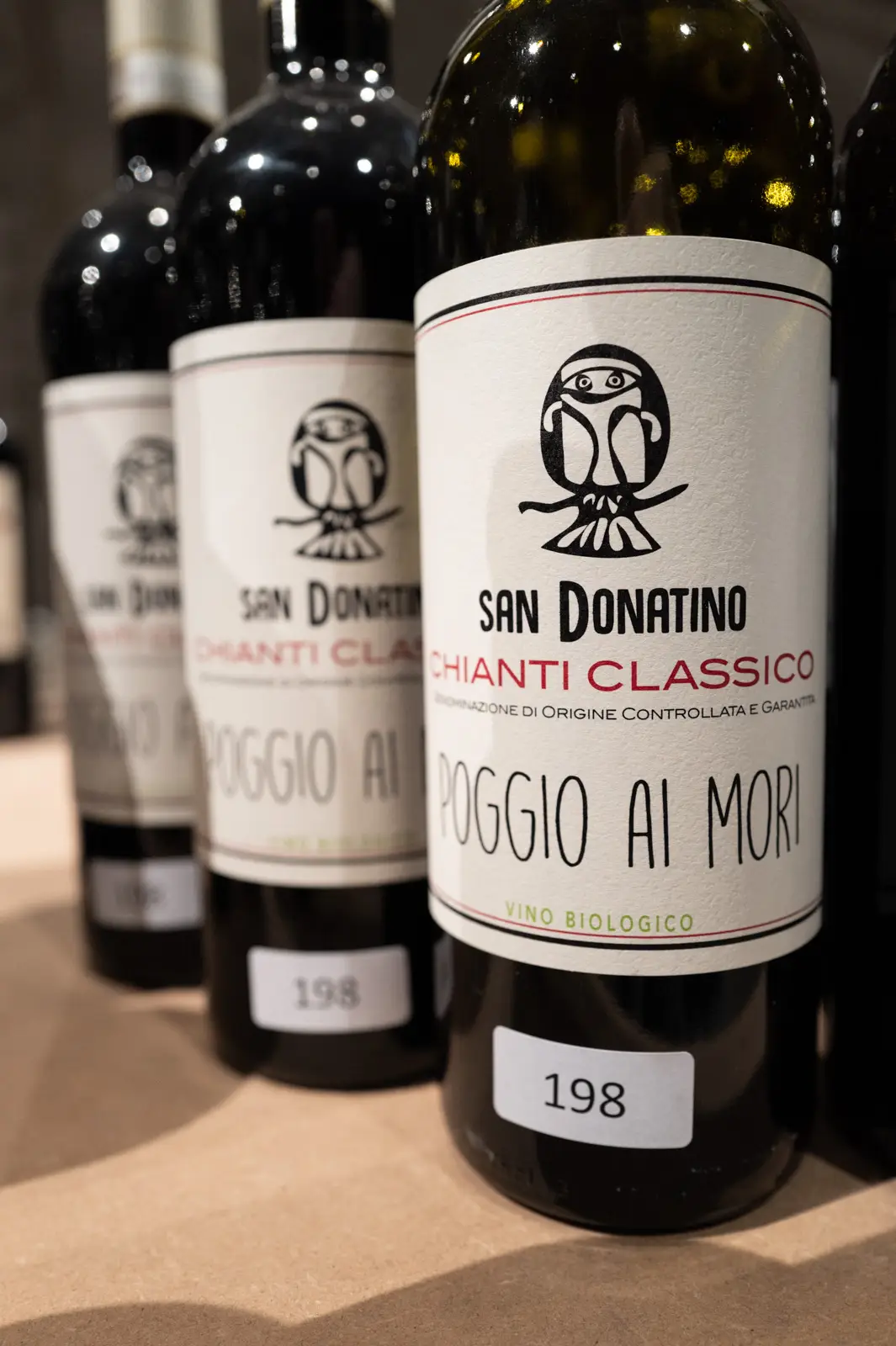
- 2022 San Donatino “Poggio ai Mori” Chianti Classico
- 2023 Tenuta di Carleone Chianti Classico
Top Wine (Part 1): 2022 San Donatino “Poggio ai Mori” Chianti Classico
The landscape of Chianti Classico in the early 1970s was profuse with abandoned plots of land. A rural economic hangover from World War II lingered, and the collapse of the mezzadria system altered the way lend was tended. It was at this moment that many outsiders bought estates as vacation homes. But for French singer Léo Ferré and his wife Maria Cristina Diaz, their purchase of San Donatino was motivated by a desire to maintain the farm. They sold wine for bulk until the 1990s when they shifted to estate bottling. Organic certification occurred in 2012, and their son, Mathieu, oversees the estate today.
This family-owned Castellina winery amazed me with the two wines it exhibited at the Chianti Classico Collection.
Their annata arrived at my station toward the end of the second day of tasting, and it was like a lightning bolt of energy for my palate. Refreshing, yes, but impressively complex and structured, like a Gran Selezione in disguise. Its aromas were expressive and unified beautifully, so much so that I couldn’t take my nose away from the rim. I am excited to track San Donatino’s wines into future vintages.
Top Wine (Part 2): 2023 L’Erta di Radda Chianti Classico
Another way of looking at aromas — rather than a list of this and that — is to imagine a horizon. How wide and clear is the view?
The nose of the beautifully fresh 2023 annata from L’Erta di Radda was like an expansive view in evening light. Not only were the proper elements “within sight” — the cherries, the citrus, the herbs, the savory — but they were cast in remarkable resolution. Imagine a vista you’ve seen a hundred times before, but in a particular light you’ve never encountered. It stops you in your tracks because suddenly, everything feels new.
There was an illusion of sweetness here that was notable. Of course the wine is perfectly dry, but the cherry-like tones landed more softly than most Chianti Classico, which countered the wonderful amaro traits that often show up with Radda wines. I love how some producers can make an annata feel complex and important without being showy, and this was a prime example.
Top Wine (Part 3): 2023 Tenuta di Carleone Chianti Classico
If I am talking a lot about Radda in these reports, it’s because there are a ton of great producers in this centralized village. Year in year out, this UGA zone has the highest ranked wines at the Chianti Classico Collection, and it’s not even particularly close.
But Tenuta di Carleone is not just another Radda winery. There is a character here that I find engaging in an intellectual way; a wine that asks more questions than it answers. For instance, why only make one Chianti Classico? No Riserva? No Gran Selezione? (OK, that one is easy to answer: the estate is too small). More mysterious is how this wine is able to conjure up so many sensations — tangy fruit, earthiness, herbaceousness, zingy citrus, precise bitterness, sweetness as a sleight-of-hand — without feeling overbearing. Drinking this wine is like a dialogue, and its persistence isn’t so much a technical trait of acidity or alcohol, but rather an insatiable desire to see where the conversation goes.
Categorical Trifecta: 2024 Castello di Volpaia Chianti Classico
The one estate to appear in all three Chianti Classico Tasting Reports this year is Castello di Volpaia. Their annual release, entry-level Chianti Classico is an ideal stepping stone on a lot of levels: into their range of wines, into a true taste of Radda, into a fun progressive meal as a first-course pairing. This wine has what I call a “mountain fruit” profile, in that you can tell through its beautiful tanginess that the grapes were grown in a mountainous climate where the nights are sufficiently cool. Reds from Valle d’Aosta, the mountains of Piedmont and Alto Adige always exhibit this trait, and for me, it shows up at Castello di Volpaia too. But where things shift into classic Chianti Classico territory is in the minty dimensions to it. This is a spirited wine with ample freshness and sneaky complexity.
2024 Cigliano di Sopra Chianti Classico
I will admit that I was wrong.
As I noted in my report on the Chianti Classico Riserva, where Cigliano di Sopra’s “Vigneto Branca” came out on top, my personal taste has had a wrestling match with this estate’s wines for a few years. They have always struck me as jolly and expressive, but due to their lack of savory and herbal elements, they didn’t feel like Chianti Classico to me.
But I came to realize at this edition, that Maddelena Fucile and Matteo Vaccari’s interpretation of San Casciano in Val di Pesa — their home terroir within Chianti Classico — is indeed as faithful as they come. They’re certified organic, low intervention in ethos, and they also embrace whole-cluster fermentation when they deem it appropriate. That can misdirect the senses a bit. But the soil of their vineyard is more pebbly, and the growing season of San Casciano in Val di Pesa is shorter, so producing something that is robust and structured can feel forced. That makes me feel like their approach is amply justified.
With their 2024 annata, everything comes together beautifully with red tea aromas, a touch of bitter orange, and the happiest of dispositions on the palate. This is a great summer red wine if you find it.
2023 La Sala del Torriano Chianti Classico
If Cigliano di Sopra renders San Casciano in Val di Pesa on the canvas with watercolors, then La Sala del Torriano sketches it with charcoal. Both estates have a wonderful minerality and persistence to their wines, which feels like a common trait of the zone, but La Sala del Torriano’s wines allow for a more brooding disposition.
“Mocha and macchia” I wrote in my notes for the 2023 Chianti Classico, shorthand for an espresso-cocoa like bitterness that mingles with the catch-all Tuscan term for dried herbs. But again, it is the length of this wine that dazzled the most.
2019 Antico Podere Casanova-Bucciarelli Chianti Classico
The Bucciarelli family has sharecropping roots and they have presided over this estate since 1926. But one of the previous owners (in 1549) was Michelangelo. Make of that what you will. For me, tasting wine from an estate like this feels like participation in history, and it is one of Chianti Classico’s great intangibles.
But the wines have to be good, of course, and fortunately with Bucciarelli they always are.
There is an old-school Chianti sensibility to their entry-level wine. For one, it is released extraordinarily late: the 2019 is the current release of the entry-level wine. (The latest Riserva is a 2017!). And while this wine is 100% Sangiovese, it seems to have some of those traits of yesteryear, back when Chianti Classico was always a blended wine: there is plenty of leather, citrus, and dried cherries, but moreover, lower acidity and subdued tannins. This is product of the aging of course, and for some, this wine might be held back for too long. But here is your chance to taste Chianti Classico at a different stage, and to me, it is undeniably compelling.
2023 Nittardi “Vigna Doghessa” Chianti Classico

Whereas Bucciarelli was once the estate of Michelangelo, so too was Nittardi. The estates were once a cohesive whole, and today they reside “next door” to each other. Of course, in Chianti Classico terms, that means a small forest separates the two.
Unusually for the region, Nittardi chooses to make its single-vineyard Vigna Doghessa as an annata, which is countered by a second, more fruity annata called “Belcanto.” Meanwhile, the Gran Selezione is truly a selection of the year’s best fruit. The 2023 Vigna Doghessa holds back a bit on the fruit because of its extraordinary savoriness, which emerges immediately and acts as a unifying element of the wine’s flavor. Polished tannins and a measured demeanor make this wine a special pick for home chefs looking for a versatile pairing partner.
2024 Monteraponi Chianti Classico
To some, Monteraponi’s status as one of Tuscany’s greatest estates is established by the prices its top wines fetch. (Hmm, they must be good). For me, it is a resignation that I have to include them in these reports. Despite my desire to spread the wealth and highlight as many new discoveries as possible, Monteraponi keeps towering over its peers in terms of finesse and confidence. If you taste enough Chianti Classico, you’ll feel the difference when Monteraponi dashes across the palate. For me, it registers on the herbaceous level: rather than rosemary or minty, it seems like a sweet tobacco.
The good news is that the standard bearer annata conveys this Monteraponi-ness while remaining within reach of most budgets: a sub-$50 wine that tastes like it’s more than a C-note.
2023 Rocca di Montegrossi Chianti Classico
Rocca di Montegrossi’s wines are best suited to wine drinkers who prize power yet appreciate finesse. Somehow, those traits are never mutually exclusive at this Gaiole-based estate, even in their entry-level wine. The 2023 annata has a spirited and muscular sense of self-confidence with momentous acidity and eager tannins that are tempered by fruit reminiscent of sweet black cherries and blood orange. Despite its stature and intensity, the wine functions as a highly versatile player when it comes to pairings. Don’t be shy experimenting with it.
2023 Castagnoli Chianti Classico
Hopefully, these Chianti Classico tasting reports give you a sense for the spectrum of flavors and sensations available in this varied terroir. The more I get to know it, the more I marvel at this trait.
For instance, while tasting Castagnoli’s 2023 Chianti Classico, I felt a fruity character that often shows up in southern Italian reds like Aglianico and Nero d’Avola. Call it what you will — sun-dried, baked or just “ripe” — but at Castagnoli it never comes across as “cooked.” Rather it is simply a feature of vineyards that felt ample warmth throughout the vintage. I love how the identity of this region remains despite this “southern” characteristic, lending yet another perspective on this multi-faceted appellation.
2024 Belvedere1 “Tenuta de’ Carfini” Chianti Classico
We finish with a newcomer to Chianti Classico: Belvedere1. Don’t let the “luxury wellness retreat” marketing of the estate dilute your opinion of what’s going on with the wines, because they’re actually quite true to form for Chianti Classico, and effortlessly delicious.
There are two annata wines, for now: this wine, and a standard annata which is very fruity. One can imagine that they have Gran Selezione designs for this single-vineyard wine, as it takes a few years to meet those parameters. Tenuta de’ Carfini is far more expressive than the entry-level wine, with a wonderful stoniness to it that lends persistence.
Captions
From top to bottom (All photos ©Kevin Day/Opening a Bottle):
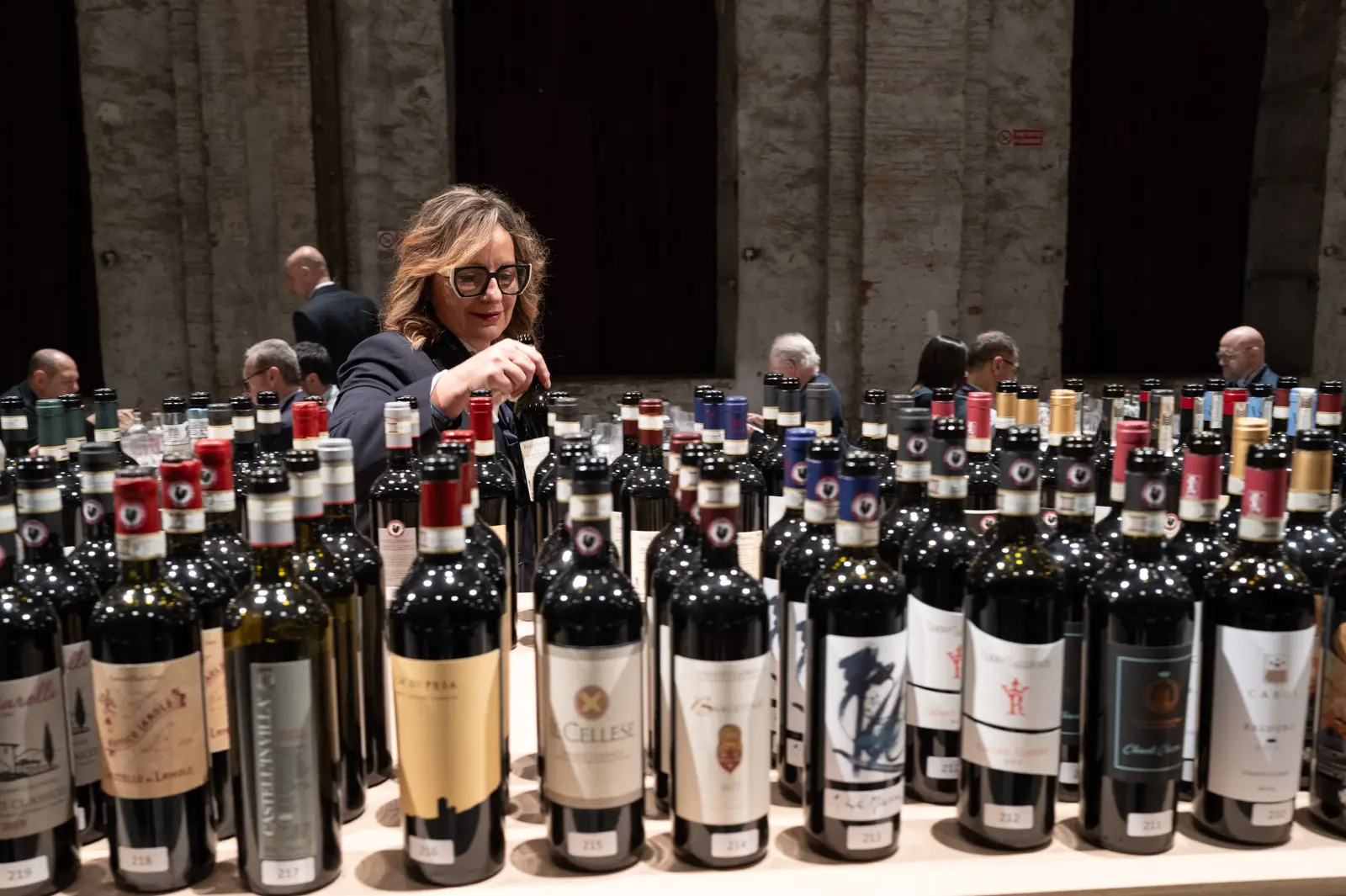
- Members of the Associazione Italiana Sommelier (AIS) keep the Chianti Classico Collection running smoothly, and they are the true lifeblood of the event;
- One of this year’s top annata wines: 2022 San Donatino “Poggio ai Mori” Chianti Classico;
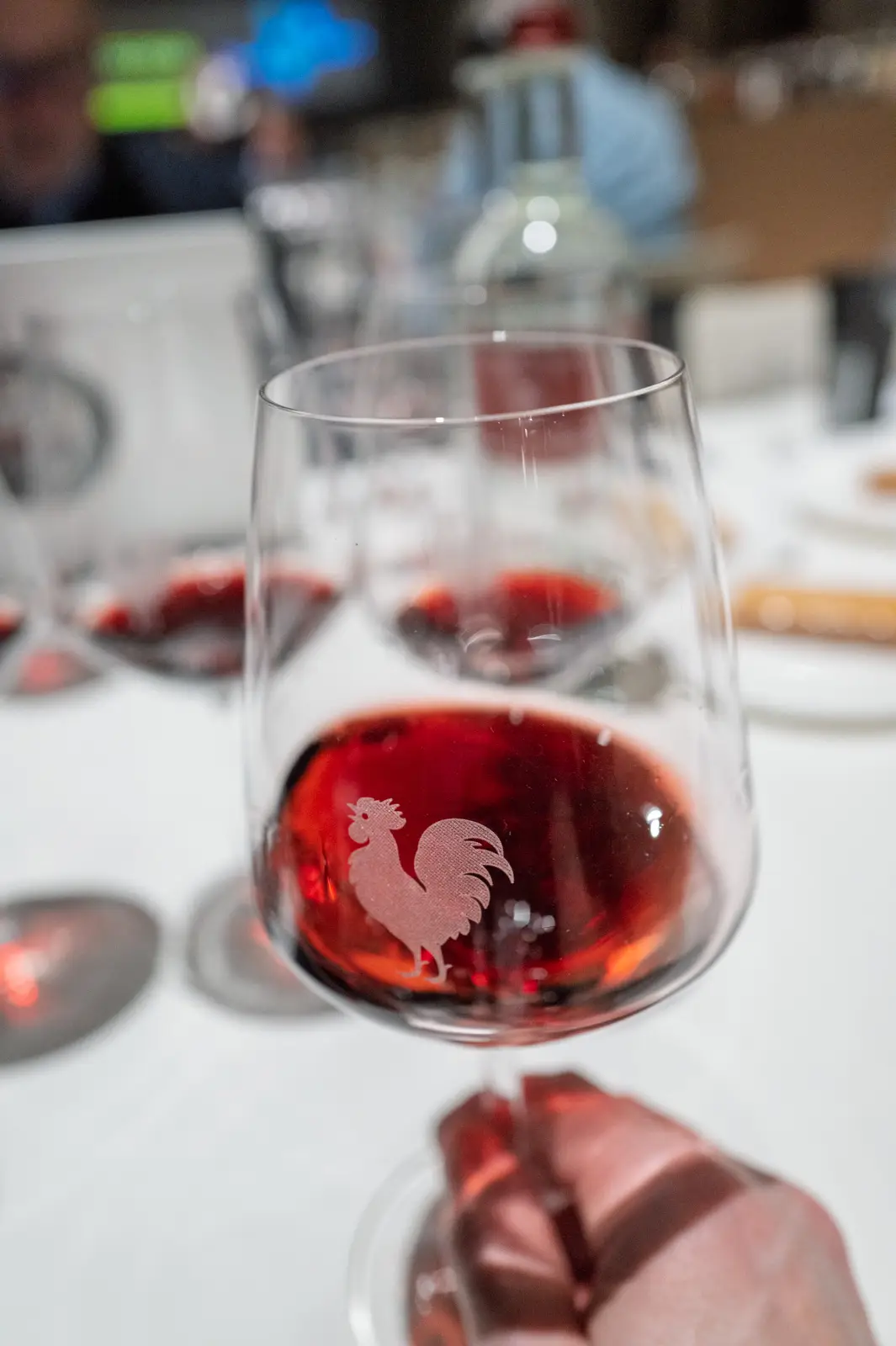
- Not too dark, not too light — this is the right color of an annata Chianti Classico;
- The 2023 L’Erta di Radda Chianti Classico is a wine we should celebrate for its brightness and vivacity;
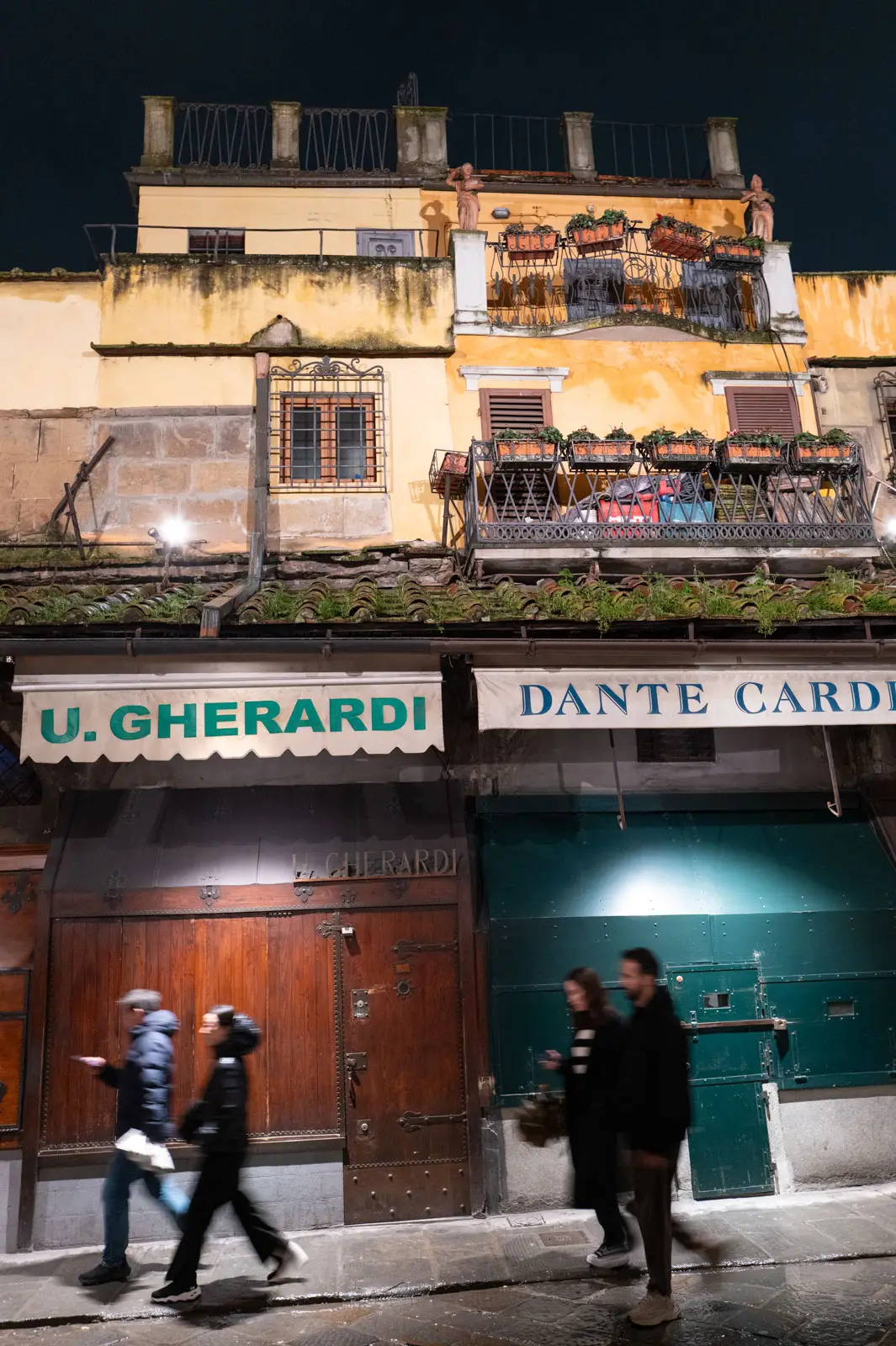
- Evening passeggiata by the closed storefronts on the Ponte Vecchio in Florence;
- The 2023 “Vigna Doghessa” Chianti Classico from Nittardi, a winery that often appears in this report;
- Newcomer Belvedere1 made their mark with this “Tenuta de’ Carfini” Chianti Classico, which likely be given the Gran Selezione treatment as the winery’s operation matures;
- The 2023 Castagnoli Chianti Classico;
- Visiting the famed Monteraponi estate in Radda.
Note: I was invited to attend the Chianti Classico Collection as a member of the media as part of the annual Anteprima di Toscana. My travel and accommodations to and from Florence were covered. Learn more about our editorial policy.