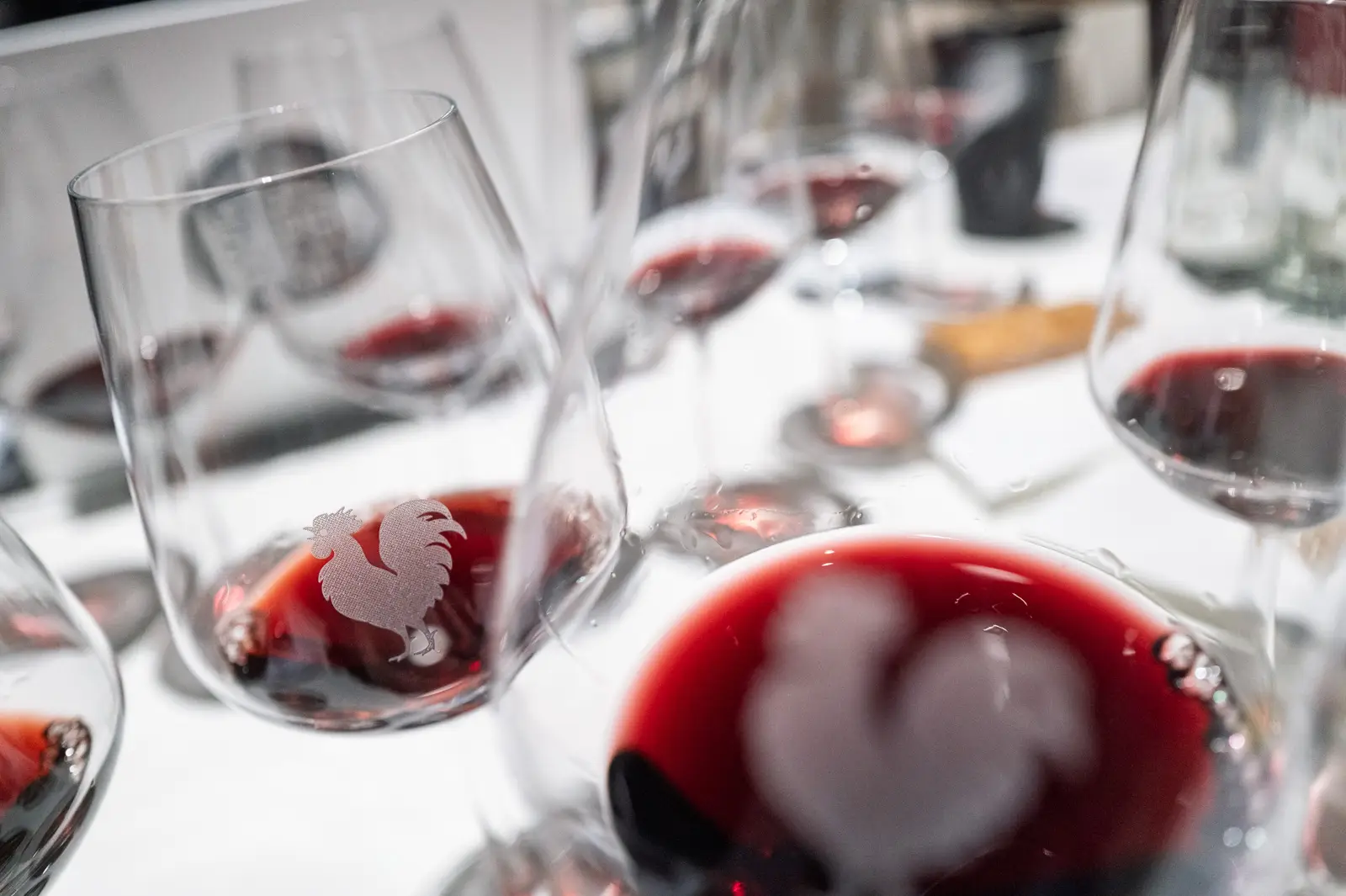
So if the Gran Selezione category has achieved its grand vision, what exactly is the vision for Chianti Classico Riserva?
When well made, Chianti Classico Riserva can be every bit as thrilling and interesting as Gran Selezione, yet often more affordable.
Last year, I asked whether the context for serving a Riserva was any different than Gran Selezione, ultimately deducing that it is roughly the same. Efforts to explain these categories with pyramids will always be a disservice to what Riserva can be, because the implication is that it is “second best.” The truth is that several of my favorite Chianti Classico producers file their top wine as Riserva and don’t (or just can’t) put it in the Gran Selezione bucket.
There are two reasons a winemaker might stick with only a Riserva:
- The rules — Their philosophy espouses Chianti Classico as a blended wine — with more than 10% of the blend being indigenous grapes or any of the sanctioned international grapes not allowable under the Gran Selezione;
- Their business – Or, most pertinently and most commonly, their business can’t quite accommodate the regulations of Gran Selezione.
This last attribute could mean many things, such as the producer isn’t entirely using estate-owned grapes (a big one, and required for Gran Selezione), or they just don’t have the means to store wines for another six months of unrealized revenue.
Do these attributes indicate lesser quality? Not at all. In fact, for a consumer, they represent opportunity. When well made, Chianti Classico Riserva can be every bit as thrilling and interesting as Gran Selezione, yet often more affordable.
During my two days of tasting at the Chianti Classico Collection, the one spot where Riserva seemed muddled was when it felt lost in the portfolio of a producer making all three categories. The Annata represents the entry point to the house style, the Gran Selezione gives us the most focused and terroir-centric expression, and the Riserva in between is … what exactly? In a few occasions, it wasn’t exactly clear. Do we need this bridge between point A and B?
Not always. As standalone wines, Riserva are often well made and technically correct, but their narrative can sometimes leave you asking why is this here?
However, of the wines I tasted, there were dozens that had plenty of answers. The following rose to the top and suggested that the category is still vital, even if it requires a bit of explaining.
Navigate This Guide
Alphabetical
- 2021 Badia a Coltibuono Chianti Classico Riserva
- 2022 Castagnoli “Terrazze” Chianti Classico Riserva
- 2023 Castello di Volpaia Chianti Classico Riserva
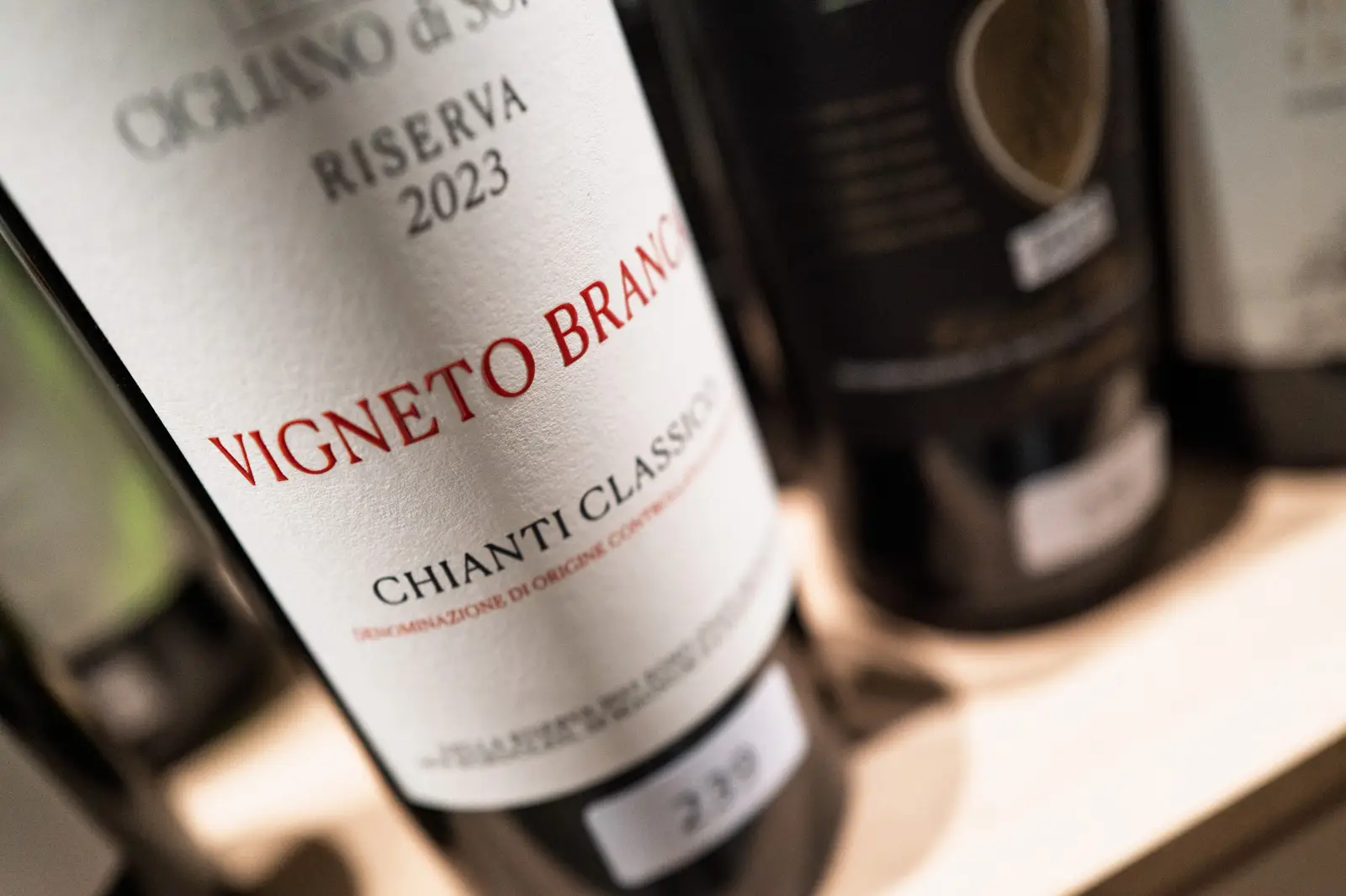
- 2023 Cigliano di Sopra “Vigneto Branca” Chianti Classico Riserva
- 2023 Il Molino di Grace Chianti Classico Riserva
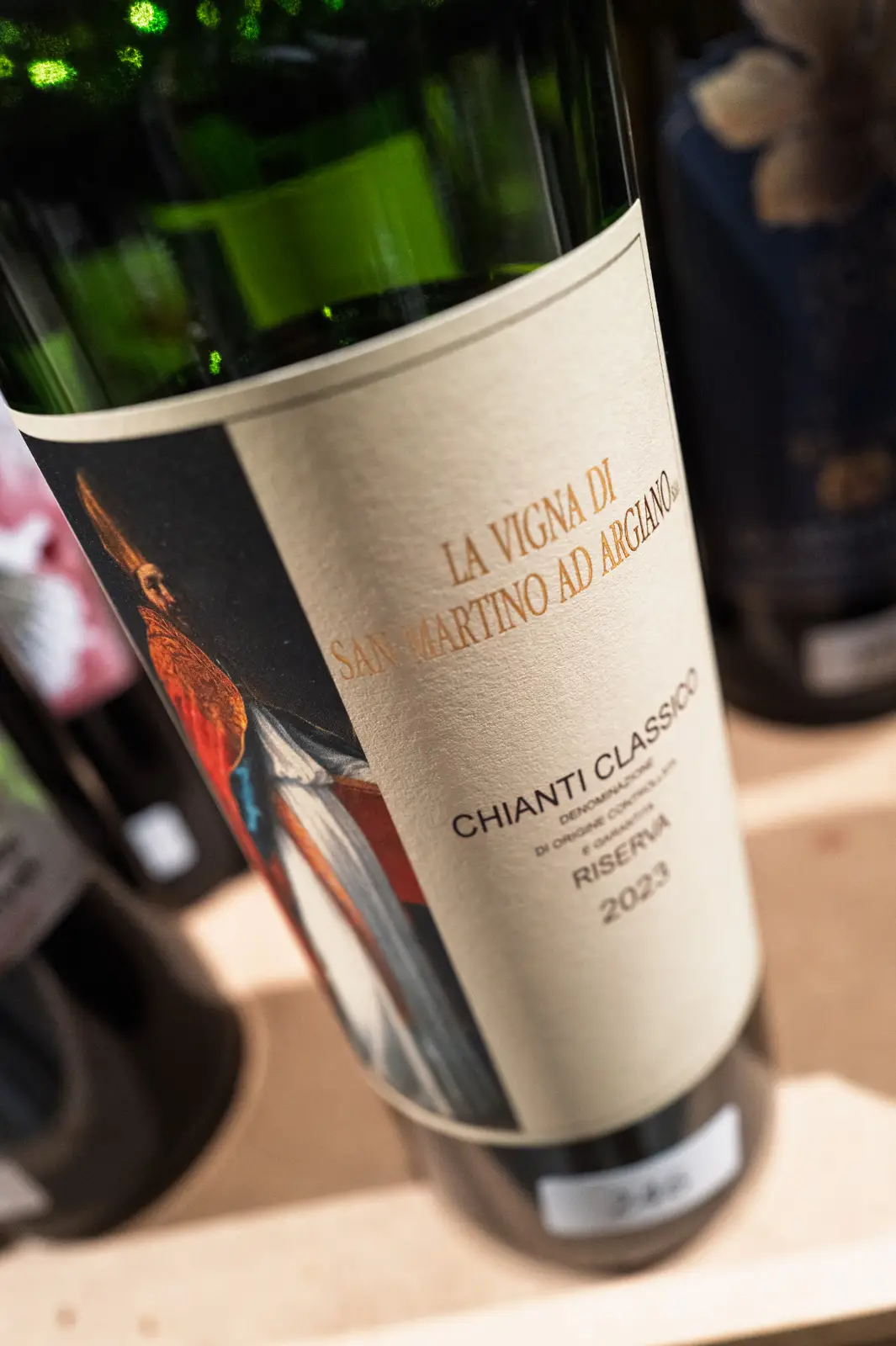
- 2023 La Vigna di San Marino ad Argiano Chianti Classico Riserva
- 2022 L’Erta di Radda Chianti Classico Riserva
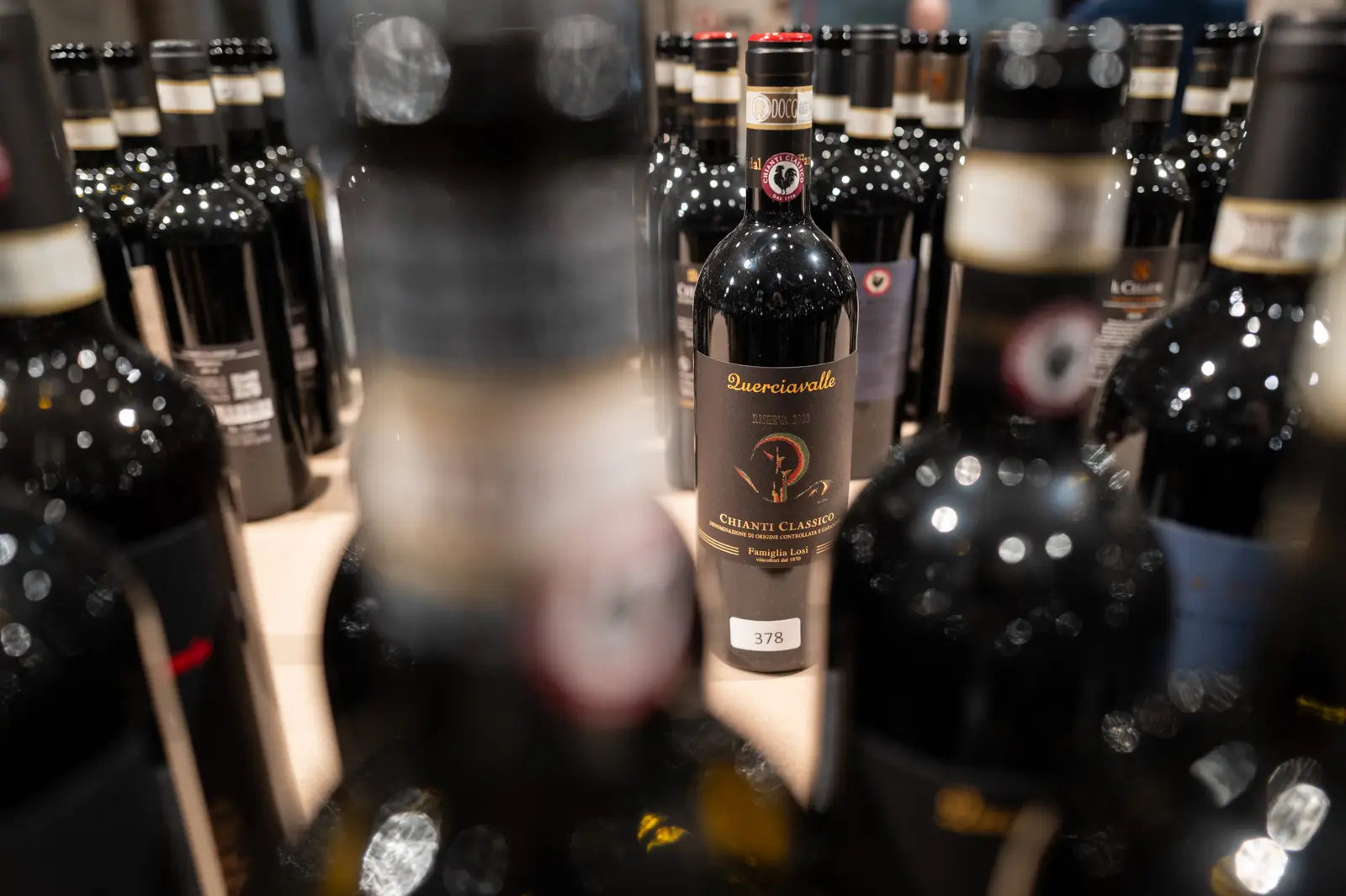
- 2020 Losi Querciavalle Chianti Classico Riserva
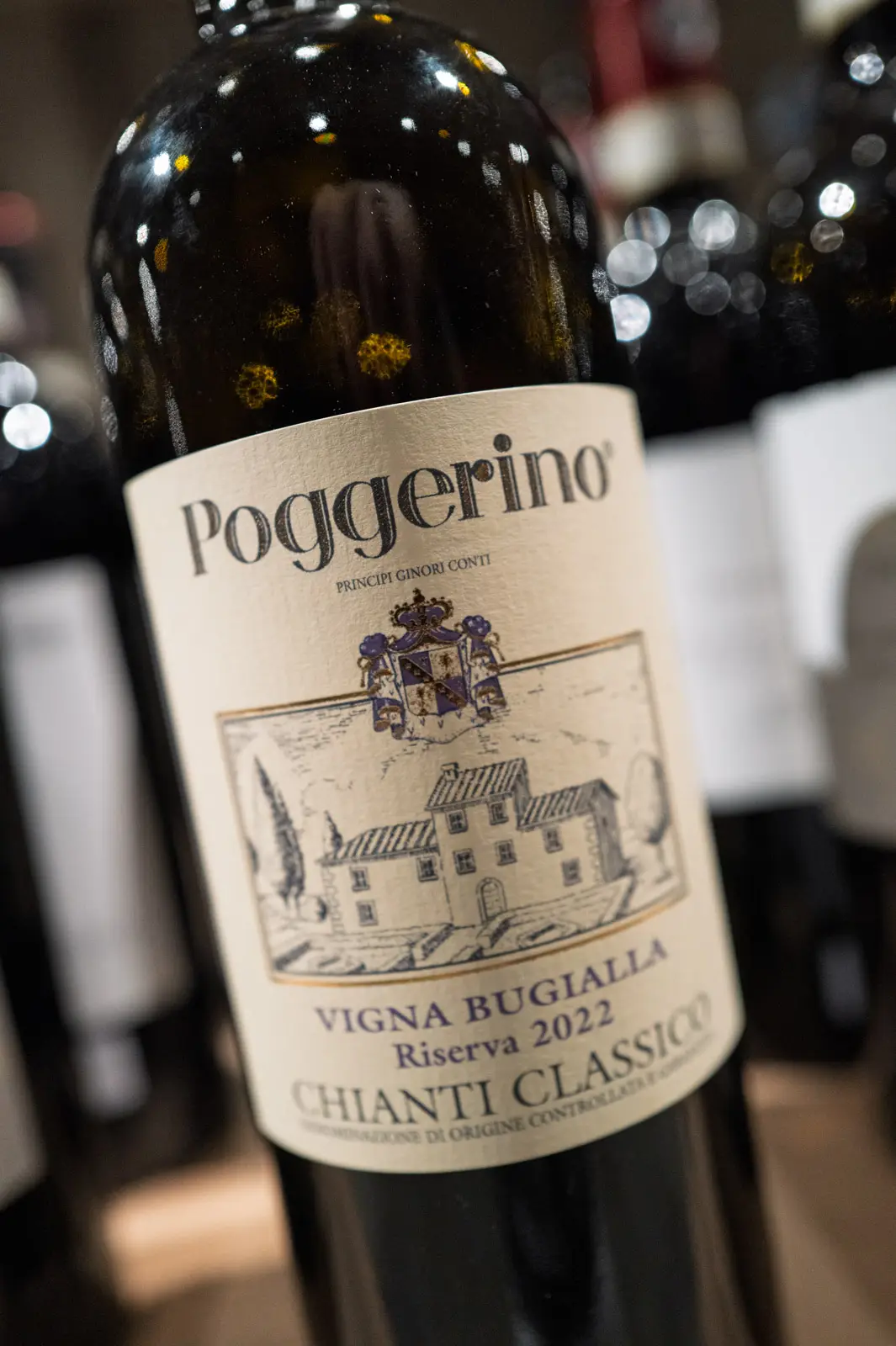
- 2022 Poggerino “Bugialla” Chianti Classico Riserva
- 2019 San Donatino “Poggio Ai Mori” Chianti Classico Riserva
Top Wine: 2023 Cigliano di Sopra “Vigneto Branca” Chianti Classico Riserva
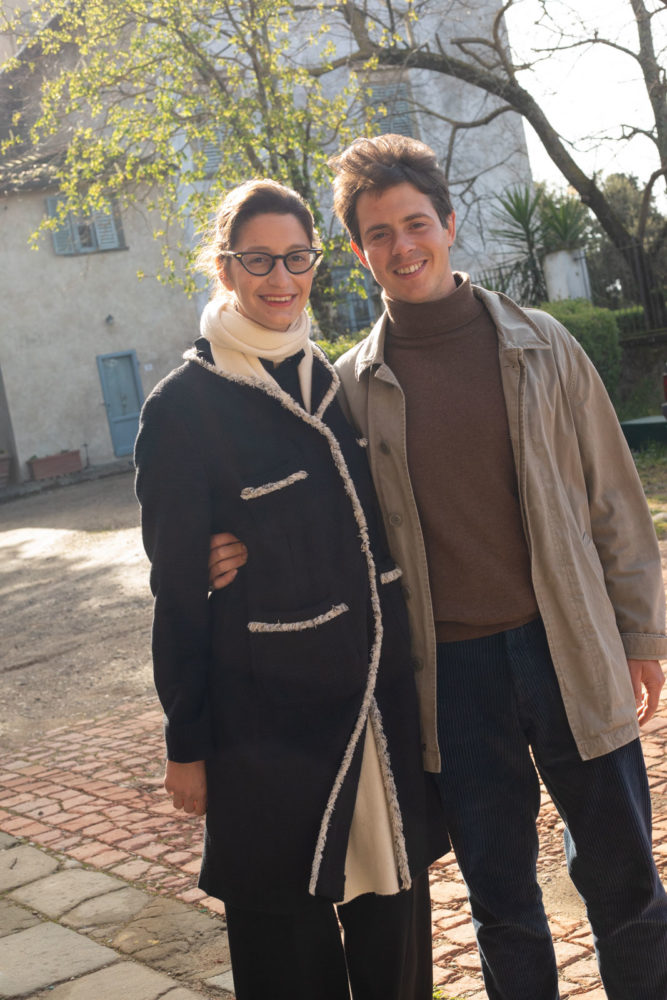
Maddelena Fucile and Matteo Vaccari of Cigliano di Sopra are among an exciting group of young producers who are energizing Chianti Classico with their open minds. They started in 2016, and have steadily evolved towards finer and finer expressions of their San Casciano in Val di Pesa terroir. I’ve been tracking their wines since we met at the estate in 2022. Their enthusiasm, curiosity and zest made it one of the more memorable visits of my time in the area.
As noted in the Gran Selezione report, whole cluster fermentation is becoming a fashionable technique in the zone, partly because of this couple’s success with it. But last year, while tasting their wines, I was reminded a bit too much of Beaujolais Cru (“violets, candied cherries, peppercorn”), which to me, didn’t feel very Gallo Nero (“rosemary, blood orange, black cherry”). But at this year’s edition of the Chianti Classico Collection, those two wavelengths harmonized brilliantly in the “Vigneto Branca,” and I found myself saying oh, I get it now.
This is a Chianti Classico whose preferred tool isn’t a hammer, but rather a needle and thread. It has an exceptional sense for flowers on the nose, which registers as a playfulness that is not often associated with Riserva. But on the palate, the area’s signature fruit and soft leather sensation emerges (pure Chianti Classico), which rides a wave of acidity I can only describe as refreshing. One can imagine this wine “graduating” to Gran Selezione someday given its specific sense of vineyard identity. Doesn’t matter to me. For now, I’m perfectly happy buying it as a Riserva.
Most Elegant: 2022 L’Erta di Radda Chianti Classico Riserva
One trait that should emerge with all Riserva wines is a sense of depth. This can come in the form of complexity, but more often than not, it arrives with a general sense of richness. Fruit that feels darker and more weighty, alcohol that seems to tinge things sweeter.
L’Erta di Radda’s 2022 Riserva demonstrates this perfectly, especially when tasted alongside the estate’s brilliant standard-bearer annata. But what makes both wines magical is that they have the proper profile of their origin, Radda in Chianti, a place where Sangiovese regularly achieves its highest potential of finesse. The acidity feels silkier here, the tannins more fine but no-less active. Winemaker Diego Finocchi has roots in the village but not winemaking, yet he started this winery in 2006 at the age of 24 with a mere 5 hectares of tough, steep vineyard. Such a story seems impossible today given land values, but his drive and energy have propelled his wines to the forefront for Chianti Classico watchers. The 2022 Riserva is simply gorgeous: black fruit, leather and swirls of dried herbs punctuate its flavors, while a lingering persistence feels like an invitation for another sip.
Cellar Pick: 2020 Losi Querciavalle Chianti Classico Riserva
In the southern stretches of Chianti Classico, in the UGA of Castelnuovo Berardenga, you not only get whispers of the Mediterranean on the breeze, you feel it in the wines. What might be taken for granted in Montalcino is seen as a blessing here: wines with a sun-dried quality to the fruit, supreme swaths of citrus, and an iron-like aroma that feels firm and durable. Fèlsina is the most famous estate in these parts, but for the last three Chianti Classico Collections, I’ve taken notice of Losi Querciavalle as the leading indicator of Castelnuovo Berardenga terroir. This year, it was more noticeable and appreciated in the Riserva than the “Millennium” Gran Selezione. A compelling sanguine quality to its flavors made it feel resilient while muscular alcohol and a salty persistence allowed it to linger powerfully on the finish.
Hidden Gem: 2022 Castagnoli “Terrazze” Chianti Classico Riserva
The wines of Castagnoli first caught my attention last fall in Denver at the Festa del Chianti Classico. There was something about their purity of spirit that made them standout in a crowded walk-around tasting that had turned into a bustling social hour. I wanted to go back for more (always a good sign in a setting where, let’s be honest, it is hard to focus).
As the name of the Riserva suggests, the vines for this wine are beautiful terraced with olive trees integrated here and there — a sight that reminds me of Gravner’s vineyards up in Friuli. The wine is aged in neutral French barriques, which seems to give it a wonderful openness from the start. Even though this is a Castellina wine, fans of those from Radda will be quiet pleased here, as it is deftly mineral and lifted on the palate: cherries, rosemary sprigs and the warmth of the Mediterranean came to mind. This is clearly a wine that gets ample sun, but doesn’t feel stewed or baked in any way. Just effortlessly elegant.
Most Old School: 2021 Badia a Coltibuono Chianti Classico Riserva
The spirit of a wine is an elusive thing to describe, which is partly what makes calling a wine “old school” problematic. But you know it when you feel it in a lineup like this. Imagine an audition where every actor coming through the door is eager and energetic, and then in walks someone with experience, command and wisdom. How do you know its wisdom? It’s not a look or an action. It’s a feeling. You give them the part.
That’s a rather round-about way of describing what this Chianti Classico Riserva from Badia a Coltibuono conveyed to me. The leathery-savory aromas could only come from Sangiovese grown in Tuscany. Not only that, the wine’s profile on the palate suggested it could only come from an experienced hand, given how patient yet nuanced the interplay of acidity, tannin and flavor was.
Roberto Stucchi has been in charge of the winemaking at Badia a Coltibuono since 1985. For a winery of this size (up to 350,000 bottles per year) he remains a rare holdout from the Gran Selezione category. Instead he makes two Riserva: one in oak casks, and another called “Cultus” in barriques. The latter could never be a Gran Selezione because 20% of the blend is indigenous local red grapes, whose legacy Roberto is passionate about preserving. This Riserva is comprised of a 10% mix of Colorino, Canaiolo and Ciliegiolo, which seem to counter Sangiovese’s cherry-orange-savory notes with a seedy raspberry note that lends freshness.
2022 Poggerino “Bugialla” Chianti Classico Riserva
.
I do love a classic wine — one you can point to with a newcomer and say “taste that wine … that’s the baseline of what this place is all about.”
Poggerino’s “Bugialla” is often that wine, and once again it asserted itself at this year’s edition of the Chianti Classico Collection. Piero Lanza is a bit of a Sangiovese whsiperer, and this wine’s patient personality and clearly etched lines reminded me of his meticulous personality. The wine offers that emblematic nose of Chianti Classico: soft black cherries, salumi, rosemary and orange peel. On the palate, “Bugialla’s” exceptional balance and citric zing feels comforting in its familiarity. This vineyard comes from near the geographic center of the DOCG, which feels appropriate for a wine this representative of the entire place.
2023 La Vigna di San Martino ad Argiano Chianti Classico Riserva

La Vigna di San Martino is the work of enologist Giampaolo Chiettini, who used to work at Isole e Olena. As noted in the Gran Selezione report, the vines that he works with are in San Casciano in Val di Pesa and owned by the bishopric of Florence.
This wine had a startling set of aromas that made it stand out in the crowd: the fruit seemed dried yet still lively and fresh, and there was a dual note of cinnamon and cedar piercing through the aromas that was very intriguing. Despite that dried fruit tone, it did not feel prematurely aged: coarse cotton tannins and superb persistence suggested interesting times ahead for this wine.
2019 San Donatino “Poggio Ai Mori” Chianti Classico Riserva
Here was a Riserva with a little more age than the rest. For San Donatino, the Riserva is not an every year wine — only in the best due they produce it. And even then, they far exceed the minimum requirements on aging with 48 months (instead of 24) in large 30hL Slavonian oak casks followed by even more bottle age.
So here we are with this one: it’s in its prime and ready to be uncorked. There is a timelessness to the aromas here: cherries, orange bitters, juniper and leather feel woven together seamlessly, as well as profound wooly tannins. This is what Tuscan Sangiovese in its prime feels like.
2023 Il Molino di Grace Chianti Classico Riserva
Like Poggerino’s “Bugialla,” Il Molino di Grace puts the classic in Chianti Classico, as it had near-perfect typicity on the nose: pure cherry-like fruit, soft orange peel, soft leather and an herbaceousness recalling spearmint. This is what Panzano, the UGA from which this wine hails from, does best: it hits the Chianti Classico middle ground with such clarity and purpose.
On the palate, the 2023 had wonderful richness and depth. While it is a very straightforward example of Chianti Classico Riserva, it delivers its remarks so precisely that I comes across as a standout.
2023 Castello di Volpaia Chianti Classico Riserva
Castello di Volpaia is one of a small handful of estates that each year make all three categories make sense. The Chianti Classico annata is playful, versatile and lean-bodied, while the estate’s two Gran Selezione — Coltassala and Il Puro — are genuine celebrations of site specifics.
Residing between them is the Riserva, a wine of consistency and depth, which in 2023 projects the aromatic and mineral charms of Radda beautifully with tea-like tannins. Across all three, the winery’s style and “Radda-ness” are consistent, but it is the elegance of the Riserva that perhaps makes it my favorite wine from them each year.
Captions
From top to bottom (All photos ©Kevin Day/Opening a Bottle):
- This year’s top riserva: Cigliano di Sopra’s 2023 “Vigneto Branca” Chianti Classico Riserva;
- Maddalena Fucile and Matteo Vaccari at Cigliano di Sopra wine estate in San Casciano in Val di Pesa;
- The ornate door to the Cappella Pazzi at Basilica di Santa Croce in Florence;
- Unearthing treasures at the Chianti Classico Collection, like this 2020 Losi Querciavalle Chianti Classico Riserva;
- Another unexpected treasure: the 2023 La Vigna di San Marino ad Argiano Chianti Classico Riserva;
- The 2022 “Bugialla” from Poggerino was showing beautifully;
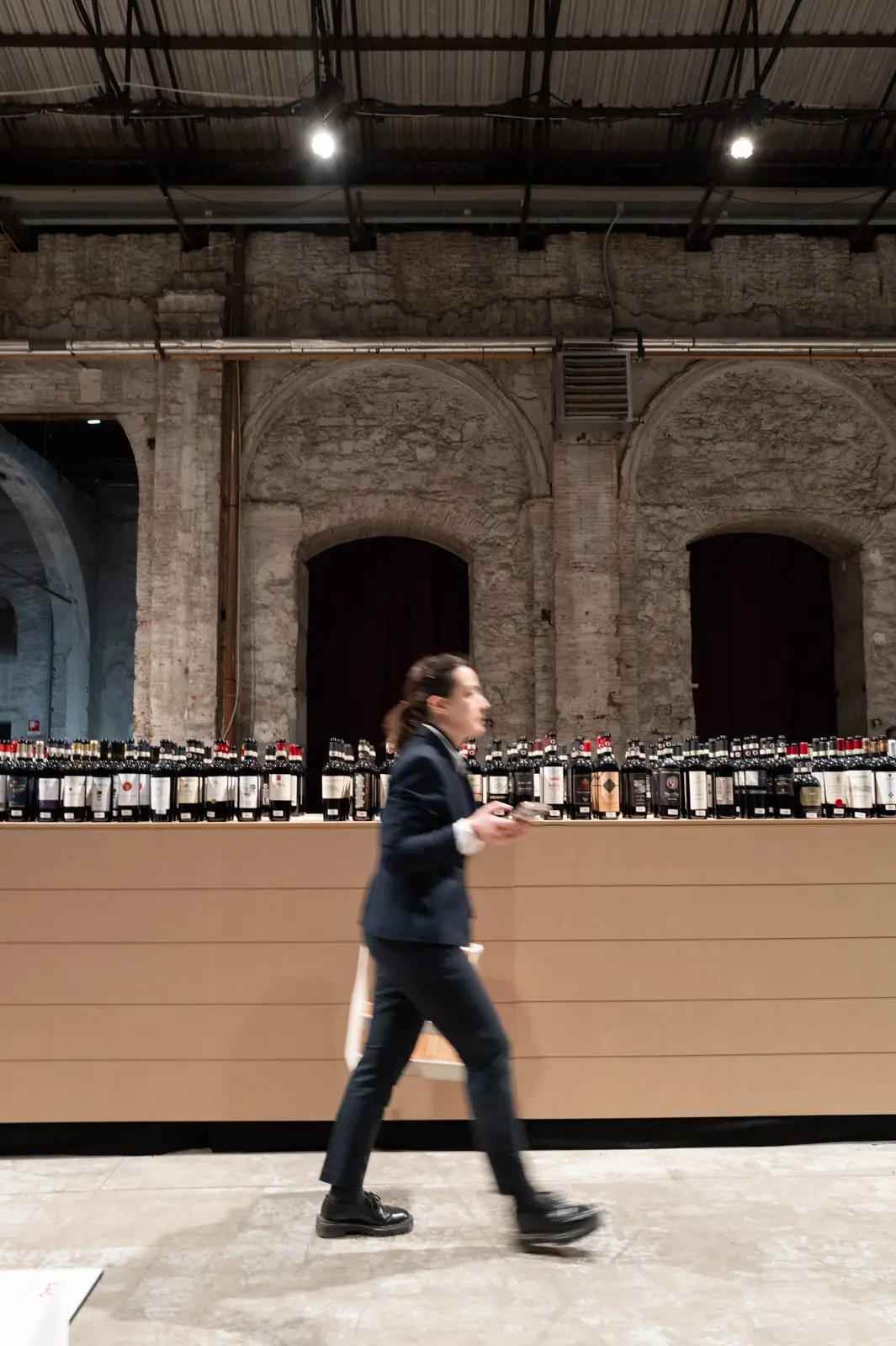
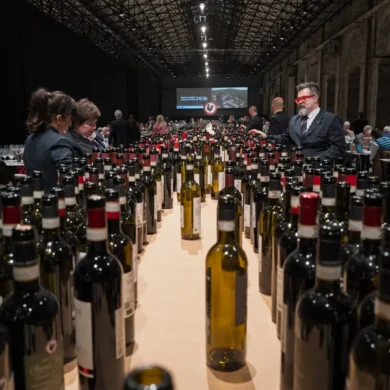
- Sommeliers must walk five or six miles each day traversing the long train platforms of Stazione Leopolda;
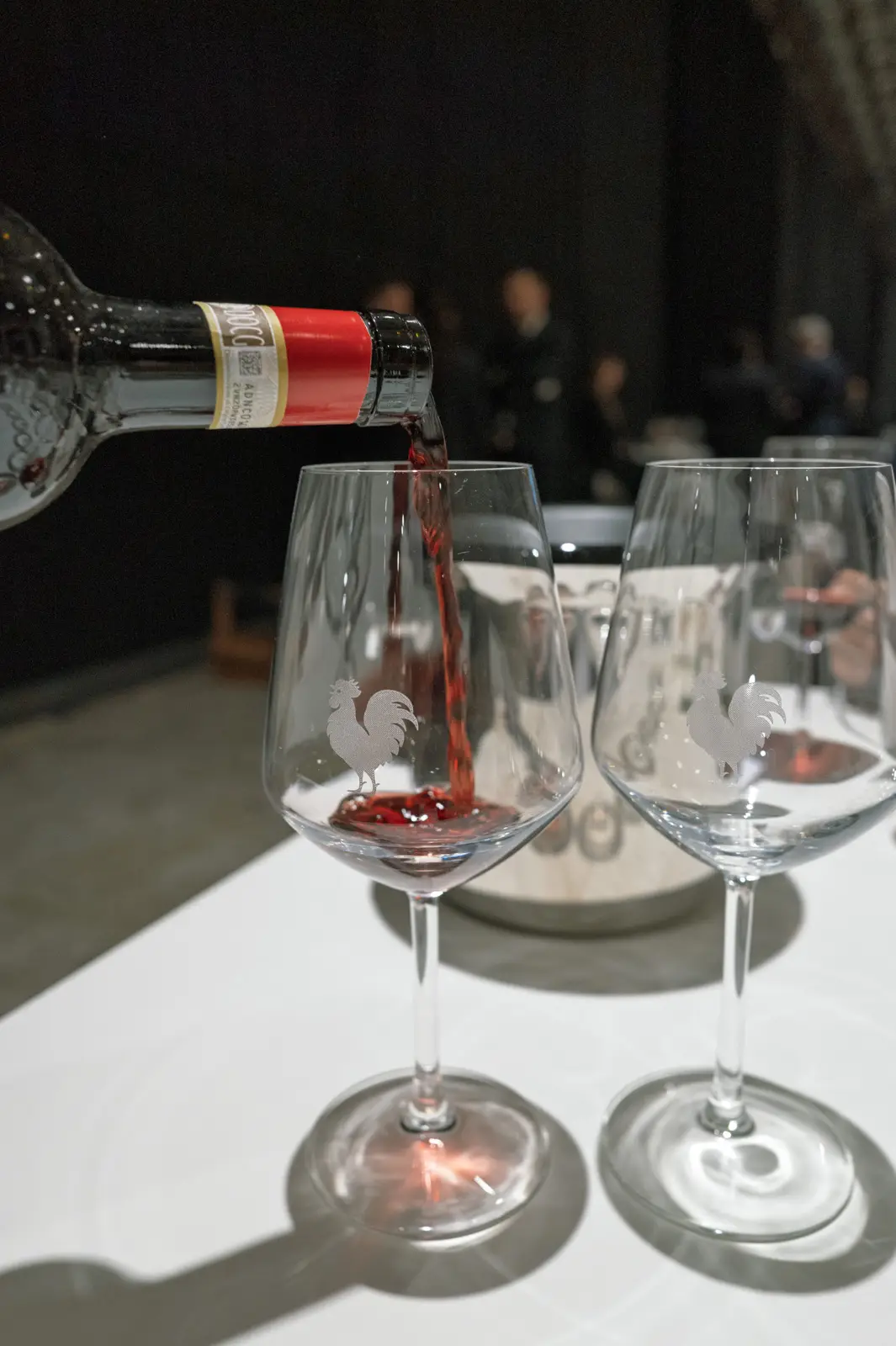
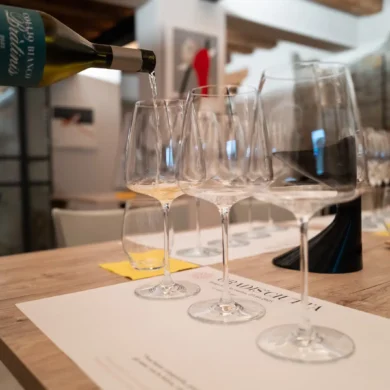
- My view as the first of 60 Riserva wines was poured … gotta get the shot while the glasses are at their cleanest;
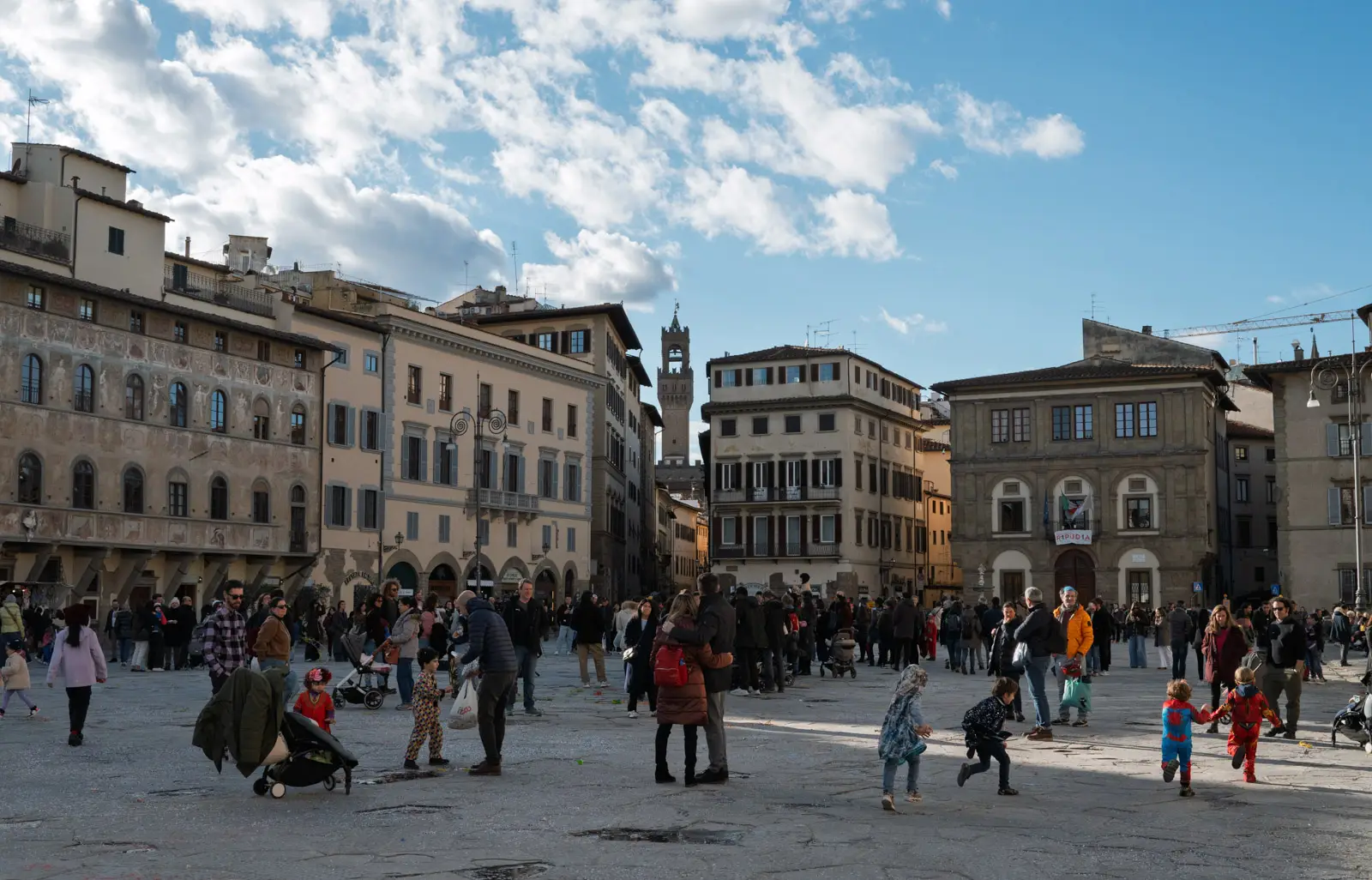
- Sunday afternoon in Piazza Santa Croce in Florence.
Note: My travel expenses to attend the Anteprima di Toscana were paid for by the governing body of the event. Learn more about my travel and editorial policy in producing this publication.